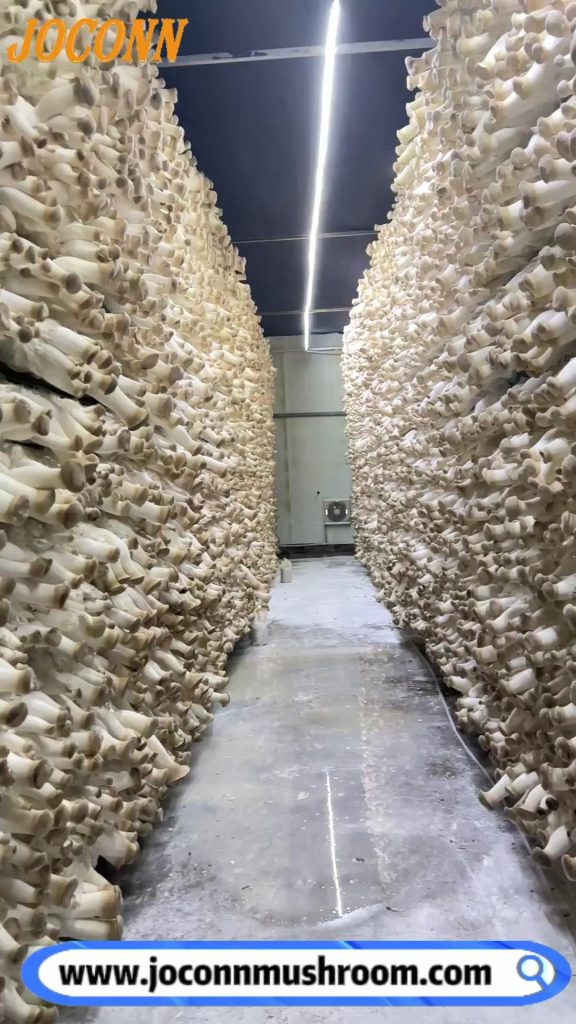
Morchella cultivation – soil treatment
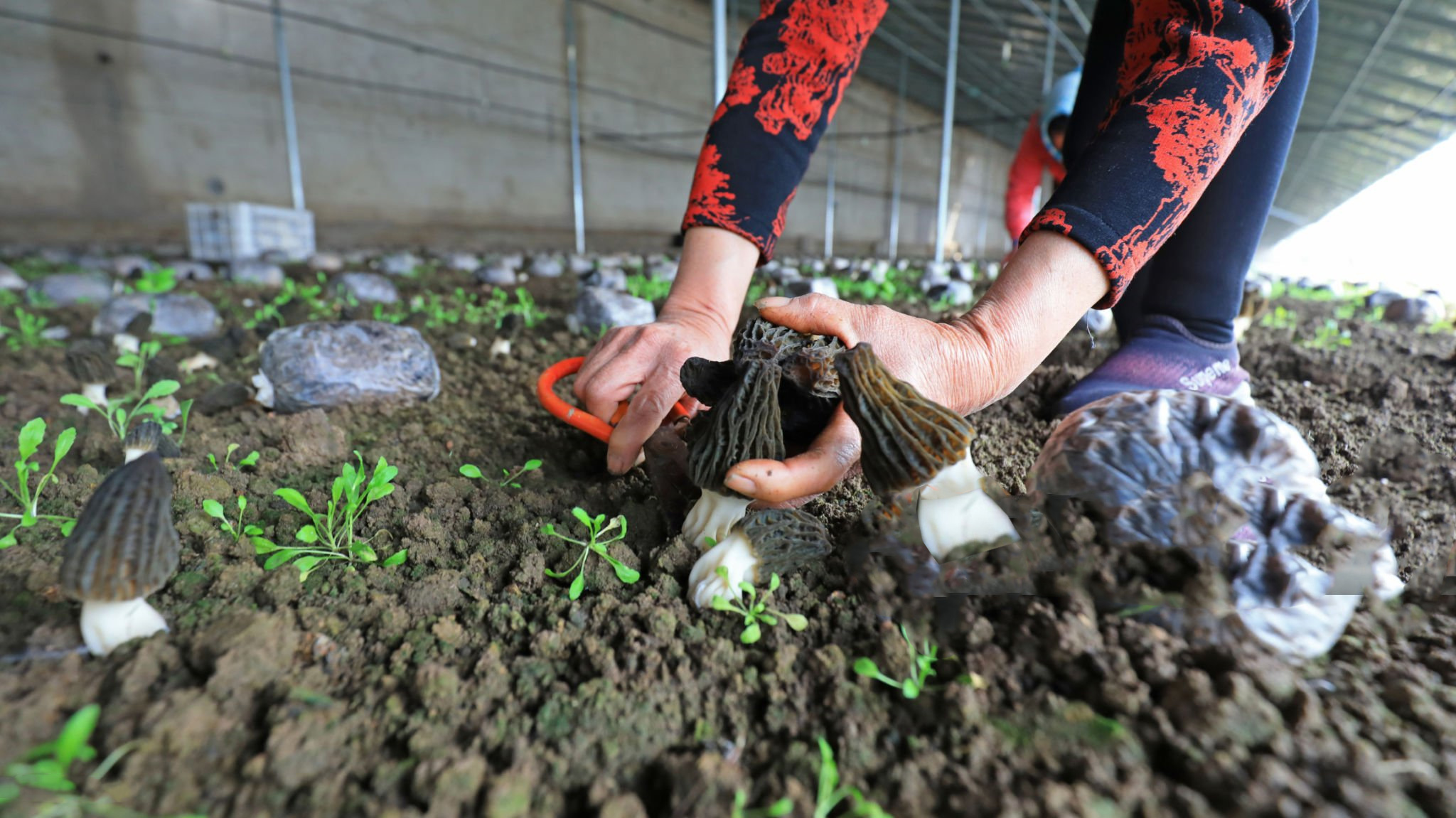
The ultimate goal of soil treatment is to reduce harmful organisms and create conditions suitable for mycelial growth. To reduce harmful organisms, treatment methods should be chosen based on the condition of the soil. When harmful fungi, pests, or excessive organic matter are present, priority should be given to physical methods such as manual cleaning, high-temperature solarization, high-temperature solarization with lime nitrogen, burning, water immersion, or deep tilling and sun-drying. Chemical methods for sterilizing and pest control should be used only in moderation as a secondary option.Creating suitable artificial growth conditions involves practices like plowing, deep tilling, and adjusting water content. This ensures the soil maintains good looseness, aeration, and proper moisture and pH levels to support optimal mycelial growth.
(1) Cleaning Organic Matter: Before soil treatment, all organic materials (such as straw residue, crop roots, stems, underground fruits, weeds, etc.) inside and outside the greenhouse should be thoroughly cleaned. Organic matter can carry a large number of insect eggs, leading to pest problems. If left to rot and decompose in the soil, it can promote the growth of microbial pathogens and pests. A thorough cleaning is necessary to prevent this.
(2) Watering and Moisture Adjustment: For dry fields, water should be applied before soil tilling to ensure the soil is fully soaked. Once excess water drains, the soil can be tilled using machinery. This helps prepare the soil for the next treatment steps.
(3) Adding Quicklime: Quicklime should only be added when the soil pH is below 6.0. In this case, 100-300 kg of quicklime can be added for adjustment, or alternatively, 300-500 kg of wood ash can be used.
(4) Rotary Tilling: After adding quicklime, rotary tilling is necessary. It is recommended to use a tractor for deep tilling, with a depth of 20-30 cm being ideal. Depending on soil texture, rotary tilling may need to be done 2-3 times until the soil is fine, crushed, and becomes loose and aerated. For clay soil, which is harder to till, use a rotary plow to loosen the soil first, then follow with a tiller to further break and refine it. After treatment, clay soil can become loose, aerated, and retain water well.
If you have more questions, write to us
Recommended
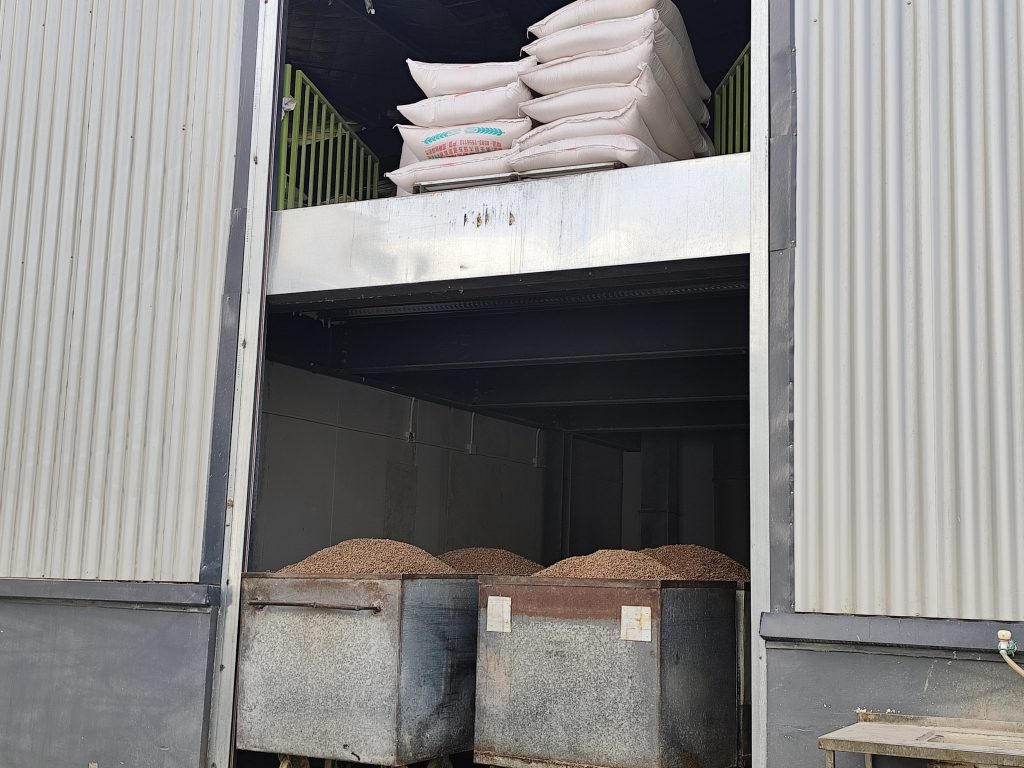
What are the raw materials and formulas for the production of King Oyster Mushroom?
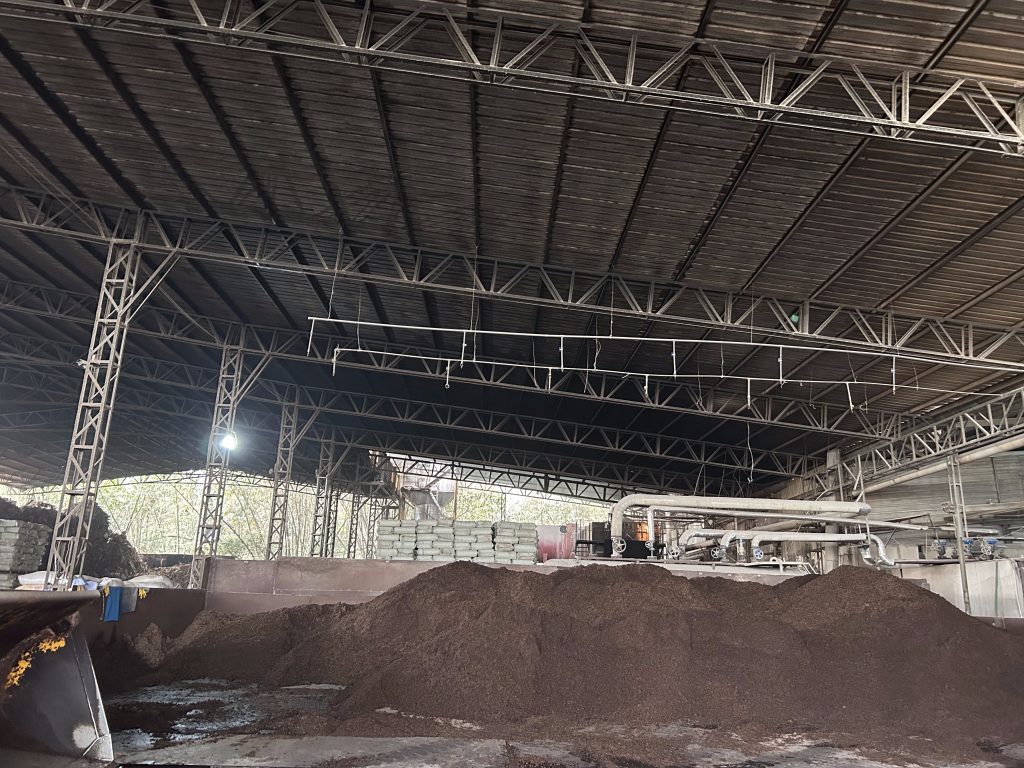
Key points for pretreatment and mixing of raw materials for the production of Pleurotus eryngii
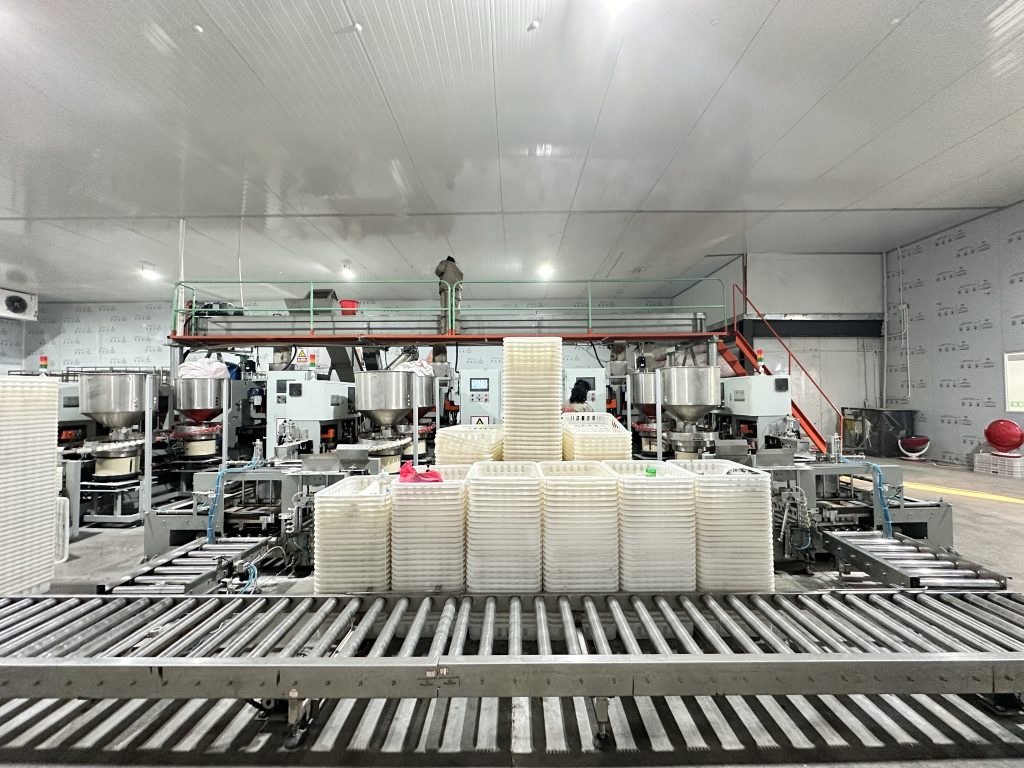
Reference for Bagging of substrate for Pleurotus eryngii Fruiting
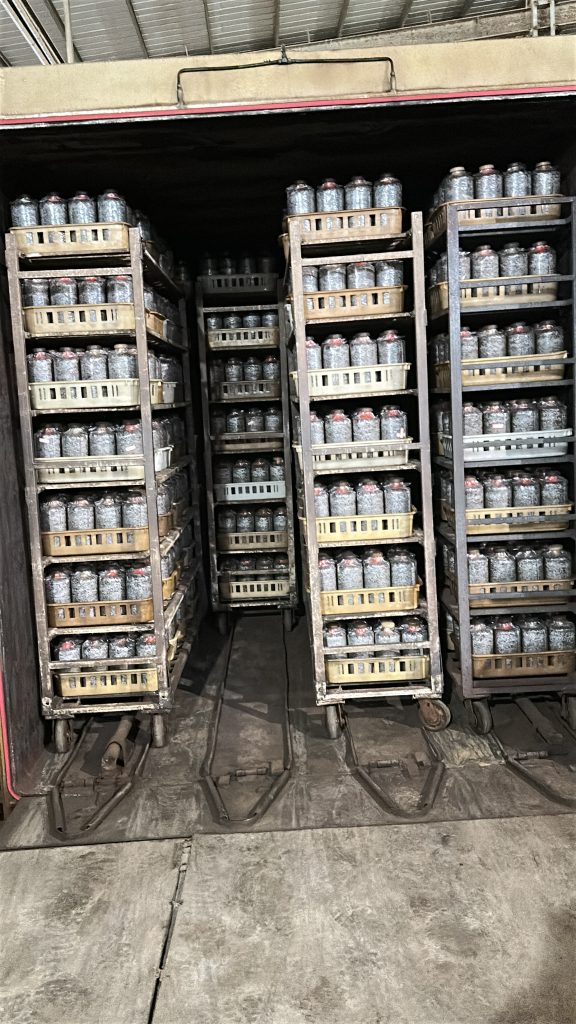
What should be paid attention to in sterilizing and cooling the oyster mushroom bags?
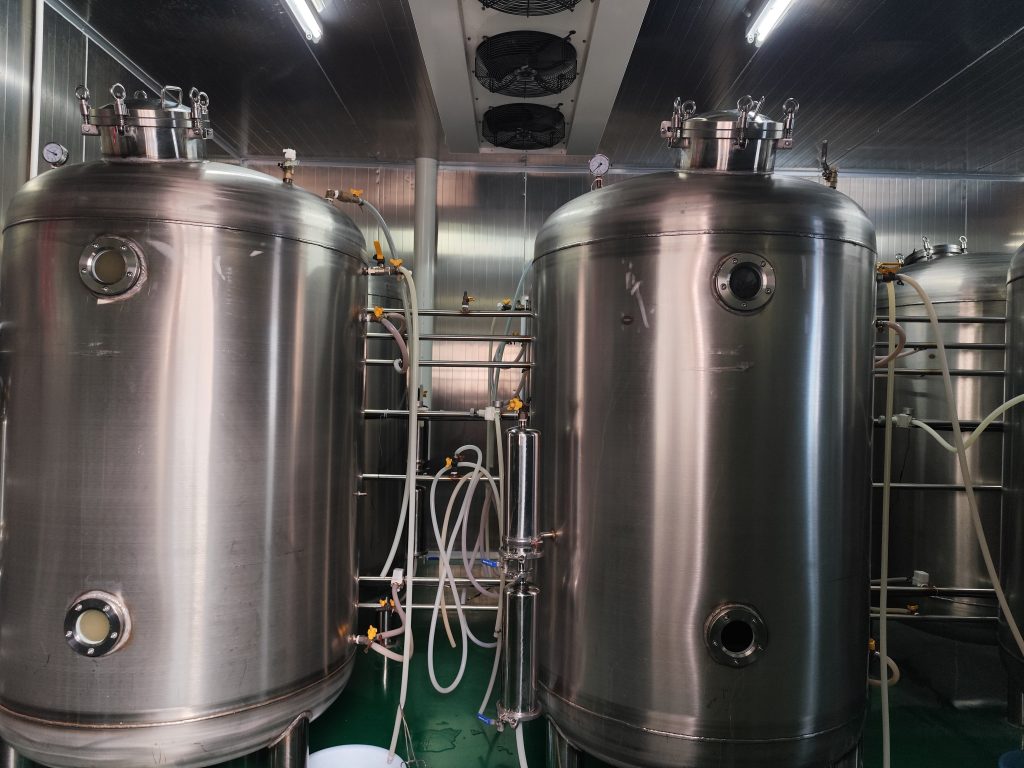
What should be paid attention to when inoculating solid and liquid spawn of king oyster / Pleurotus eryngii?
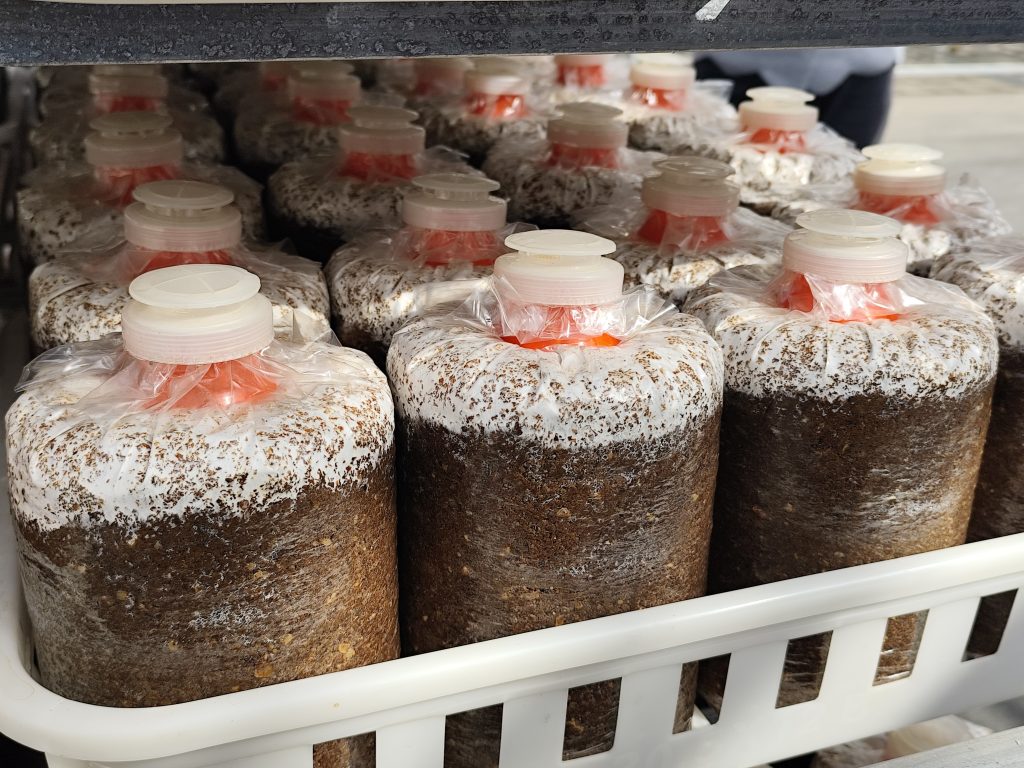
What should be paid attention to during the cultivation of Pleurotus eryngii mycelium?
What should be paid attention to during the mycelium recovery period of King Oyster Mushroom Factory Bag Cultivation?
What should be paid attention to during the mushroom bud period of factory-based bag cultivation of Pleurotus eryngii?