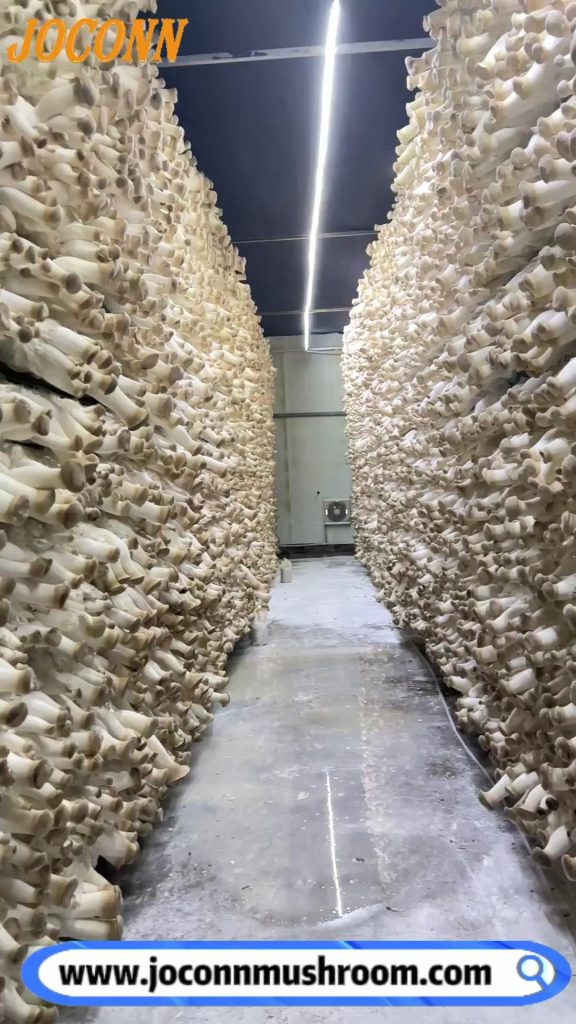
Lions’ Mane Fruiting Body Growth Management Techniques–Humidity Management
Lions’ Mane Fruiting Body Growth Management Techniques–Humidity Management
The growth and development of fruiting bodies requires appropriate relative air humidity, necessitating scientific humidity management. Water spraying should be adjusted according to mushroom size, surface color, and climate conditions. For small mushrooms, avoid direct spraying, especially for downward-facing or ground-placed bags where ground humidity is usually sufficient – generally requiring less water. In dry climates, shallow water can be stored in furrows to allow evaporation onto mushrooms.
Watering requirements vary by growth stage:Primordia formation stage: More frequent spraying.Middle stage: Light spraying.Later stage: Reduced spraying.Typical spraying schedule:Formation stage: 3 times daily.After bud emergence: Reduce to 2 times daily. When spines reach 0.3cm: Further reduce based on weather (once daily or none). Harvesting stage: Stop spraying .
In practice, adjust frequency and volume flexibly according to weather to maintain 85%-90% relative humidity. Young mushrooms are particularly humidity-sensitive – maintain about 90% during formation. Below 70%, growth stops and permanent surface blemishes occur even if humidity later increases. Above 95% with poor ventilation increases contamination risk.
Assess humidity by observing spines:White, elastic spines indicate proper humidity.Yellowish, indistinct spines with slow growth signal insufficient humidity. Watering must accompany ventilation – allow at least half-hour ventilation after spraying to evaporate surface moisture and refresh air. Avoid excessive or direct spraying to prevent rot. Generally stop watering 5 days before harvest. If humidity falls below 80%, avoid spraying the day before and day of harvest to prevent excess moisture that causes discoloration during transport.
If you have more questions, write to us
Recommended
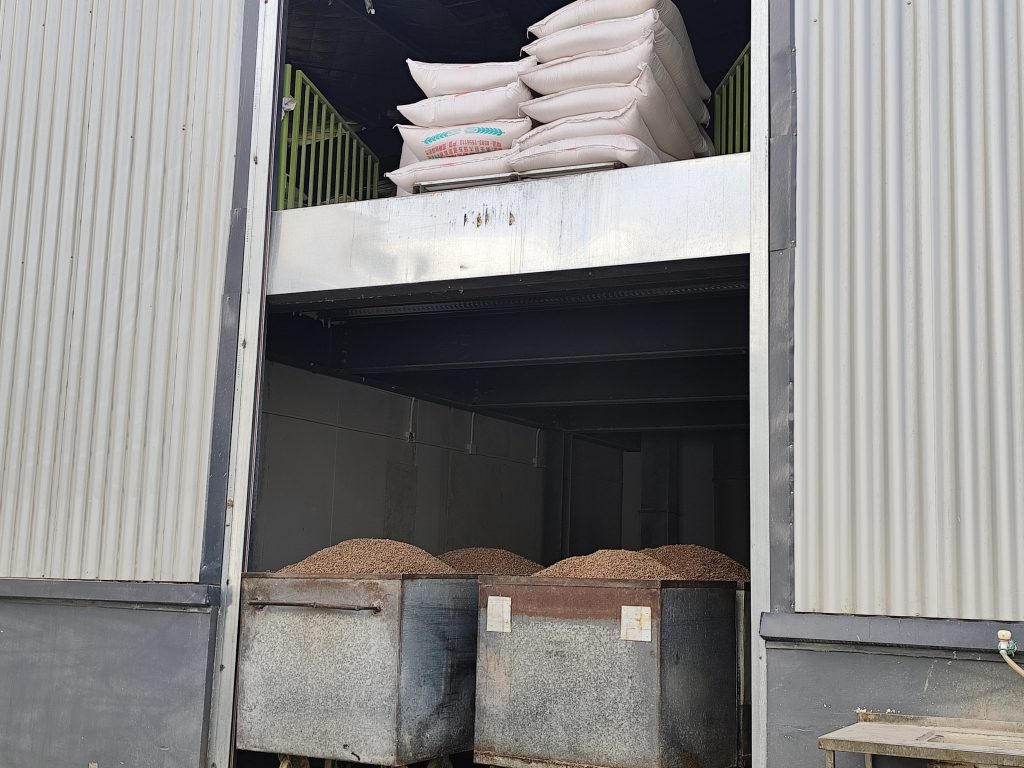
What are the raw materials and formulas for the production of King Oyster Mushroom?
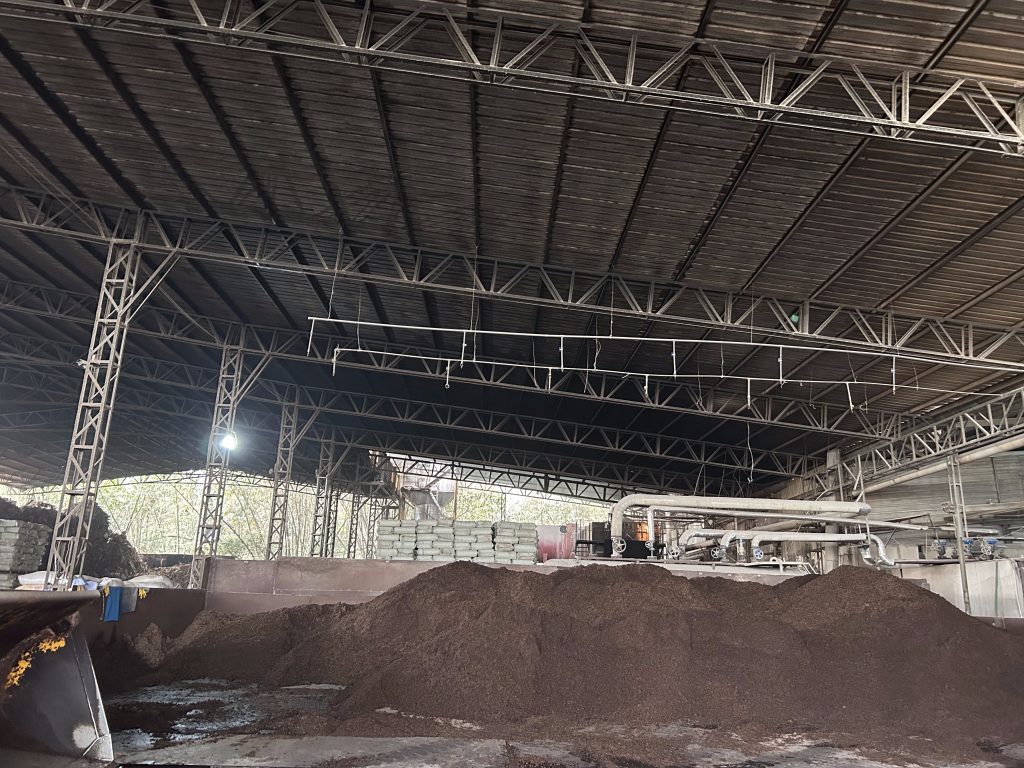
Key points for pretreatment and mixing of raw materials for the production of Pleurotus eryngii
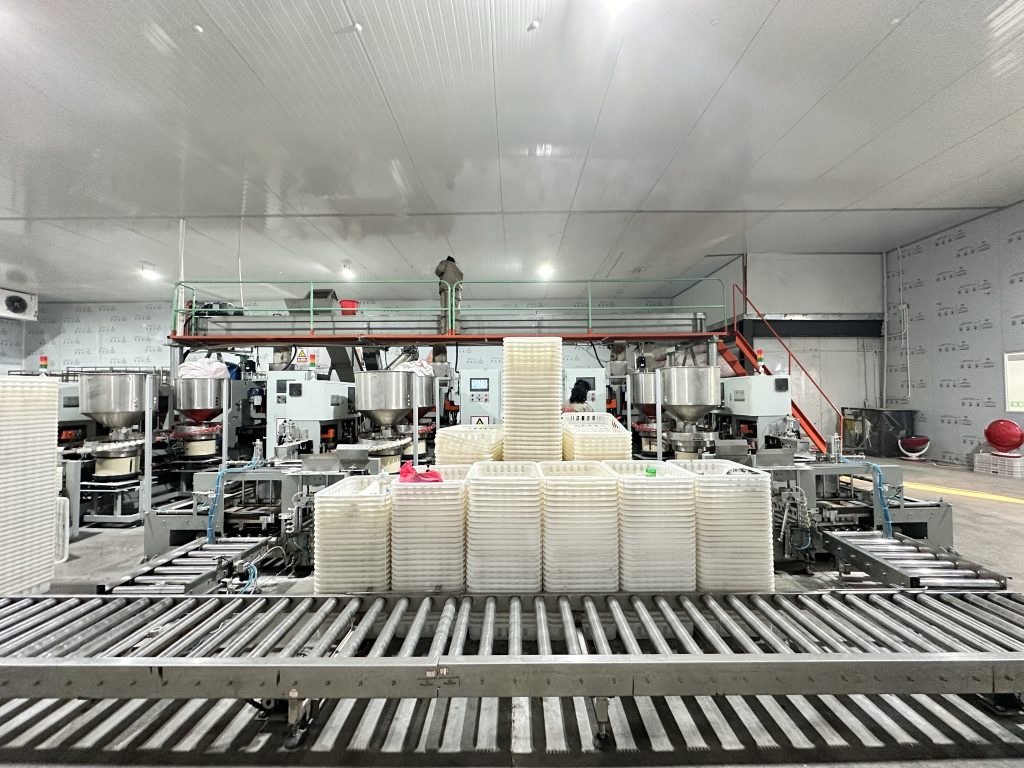
Reference for Bagging of substrate for Pleurotus eryngii Fruiting
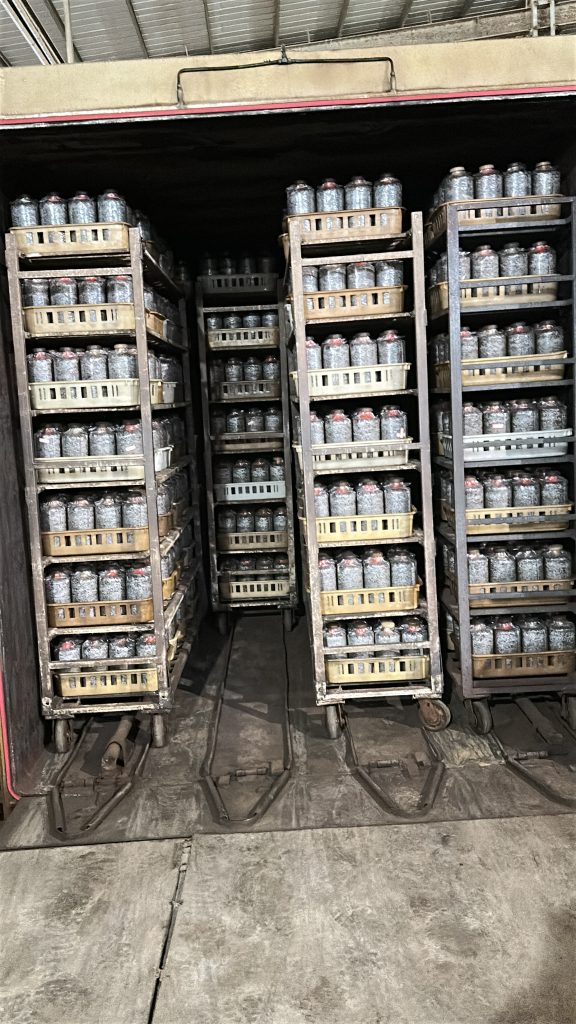
What should be paid attention to in sterilizing and cooling the oyster mushroom bags?
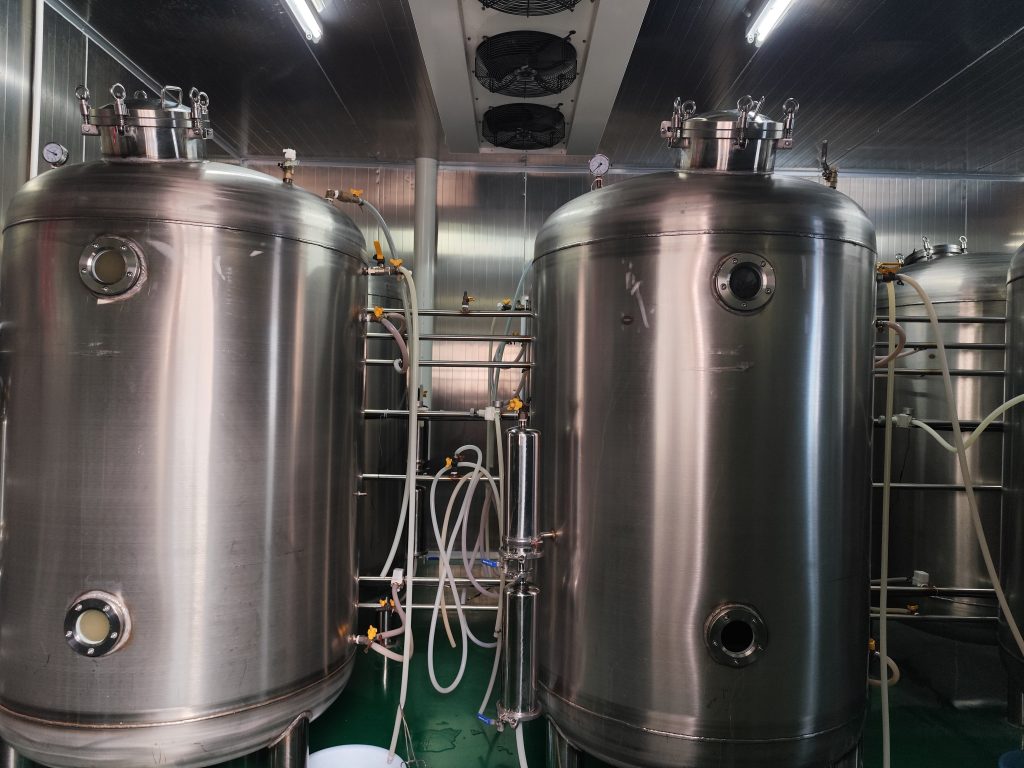
What should be paid attention to when inoculating solid and liquid spawn of king oyster / Pleurotus eryngii?
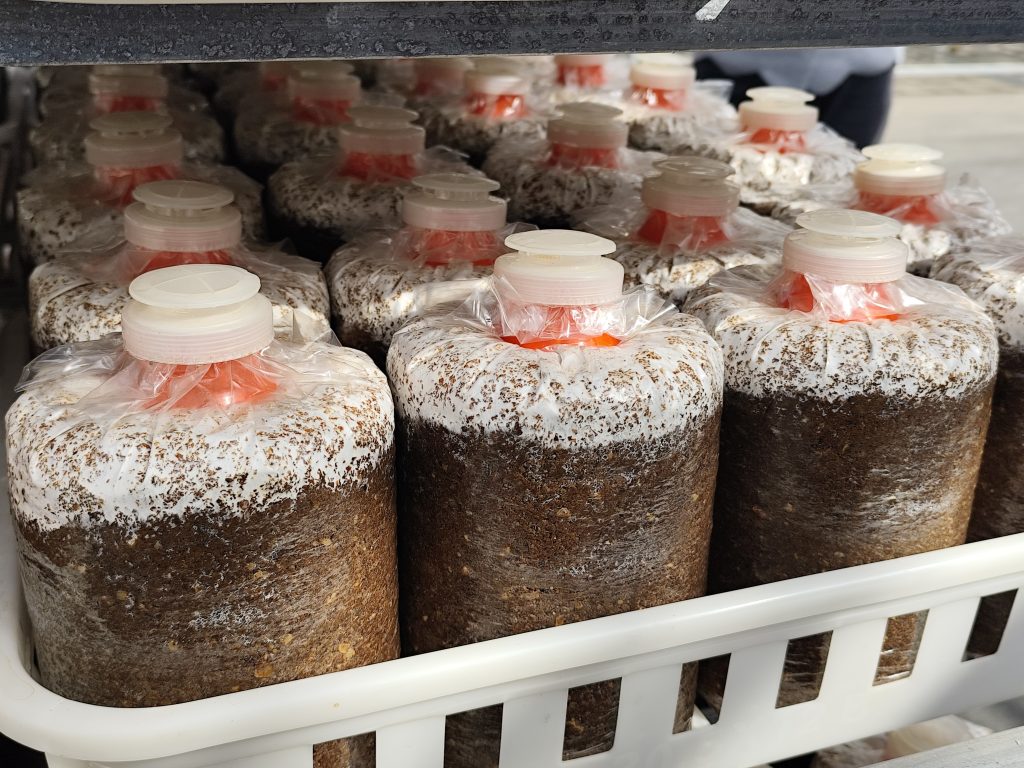
What should be paid attention to during the cultivation of Pleurotus eryngii mycelium?
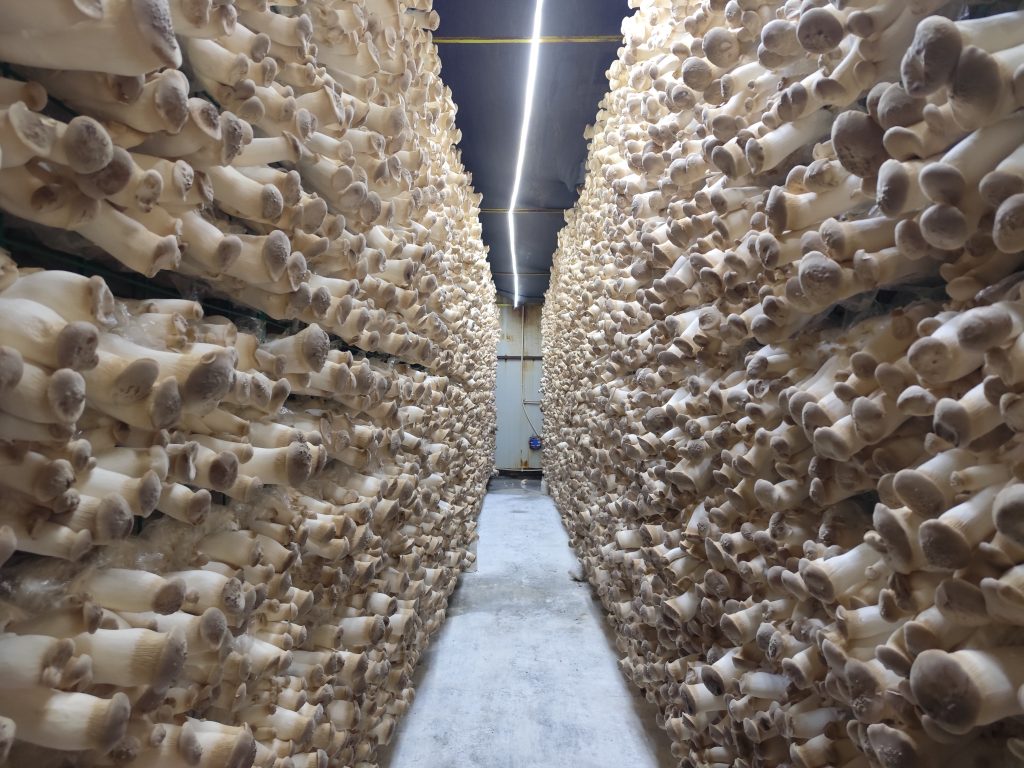
What should be paid attention to during the mycelium recovery period of King Oyster Mushroom Factory Bag Cultivation?
What should be paid attention to during the mushroom bud period of factory-based bag cultivation of Pleurotus eryngii?