How to manage shiitake logs to form true tubercles (primordia)?
How to manage shiitake logs to form true tubercles (primordia)?
True tubercles on shiitake logs are hard in texture and evenly distributed. Their formation principle is as follows: After the mycelium fully colonizes the log, it further decomposes the wood chips inside. When the quantity and density of mycelium inside reach a certain level or saturation, white small protrusions emerge from the inside out of the mycelium—these are called tubercles. They are different from large clumpy tubercles or bulges formed due to adverse environmental factors such as high temperature, oxygen deficiency, or light stimulation. Such large clumps excessively consume nutrients in the log, which is harmful to mycelium growth and subsequent fruiting. Additionally, if mechanical damage occurs during this period, the risk of black water leakage and contamination by miscellaneous bacteria increases.
After the mycelium fully colonizes the log, its growth rate slows down, and it further decomposes the wood chips inside. At this stage, the temperature of the log must not be too high. If the log temperature rises, the mycelium will stop decomposing the internal wood chips and instead overgrow on the surface, forming large clumpy tubercles. It is crucial to maintain the log temperature at around 20–22°C for several days, a process called “mycelium conditioning.” During this period, sufficient oxygen must be ensured (no oxygen deficiency) to allow the log to gradually form tubercles, enabling the mycelium to fully decompose wood chips and accumulate nutrients.
In addition, the environmental humidity should not be too dry; it should be maintained at approximately 50%–55%. Dark cultivation is required (no light stimulation) to allow the mycelium to continue vegetative growth. This deliberate “mycelium conditioning” is also known as “low-temperature induction of small tubercles,” which increases the quantity and density of mycelium, promotes sufficient nutrient accumulation, and is highly beneficial for subsequent fruiting.
If you have more questions, write to us
Recommended
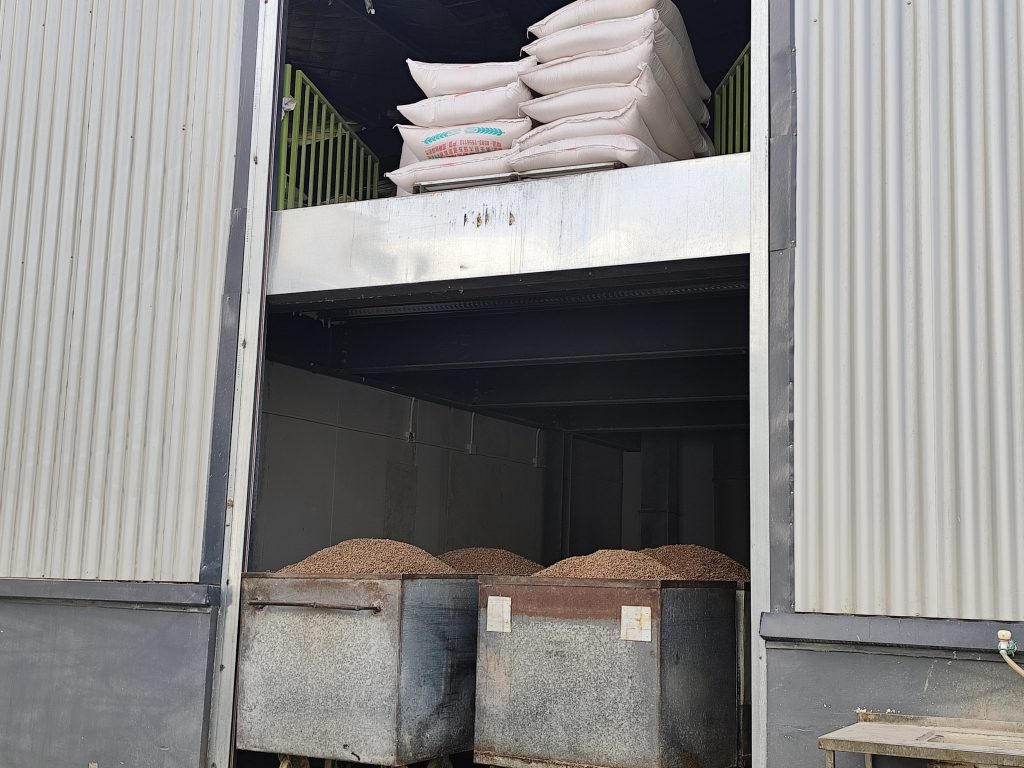
What are the raw materials and formulas for the production of King Oyster Mushroom?
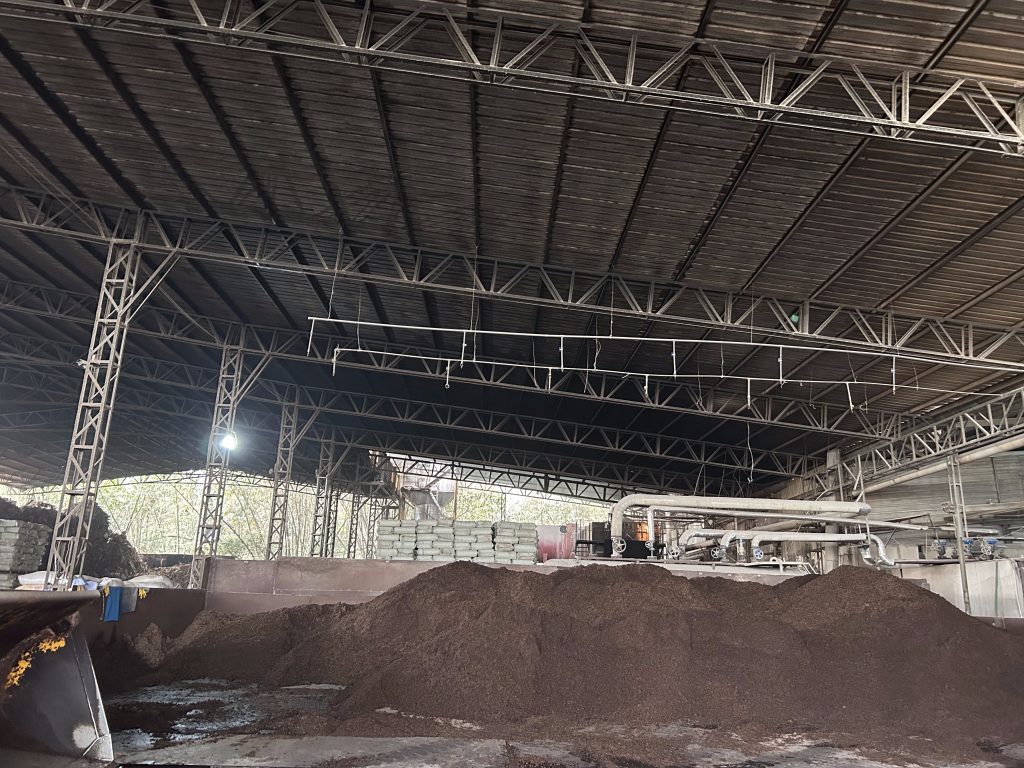
Key points for pretreatment and mixing of raw materials for the production of Pleurotus eryngii
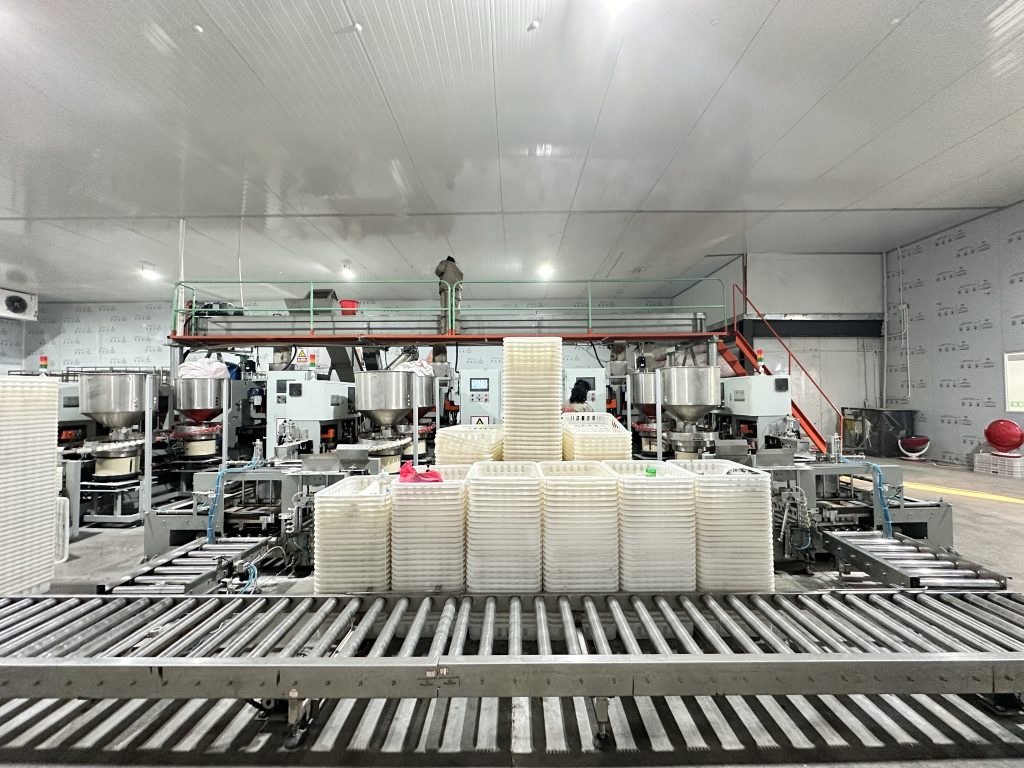
Reference for Bagging of substrate for Pleurotus eryngii Fruiting
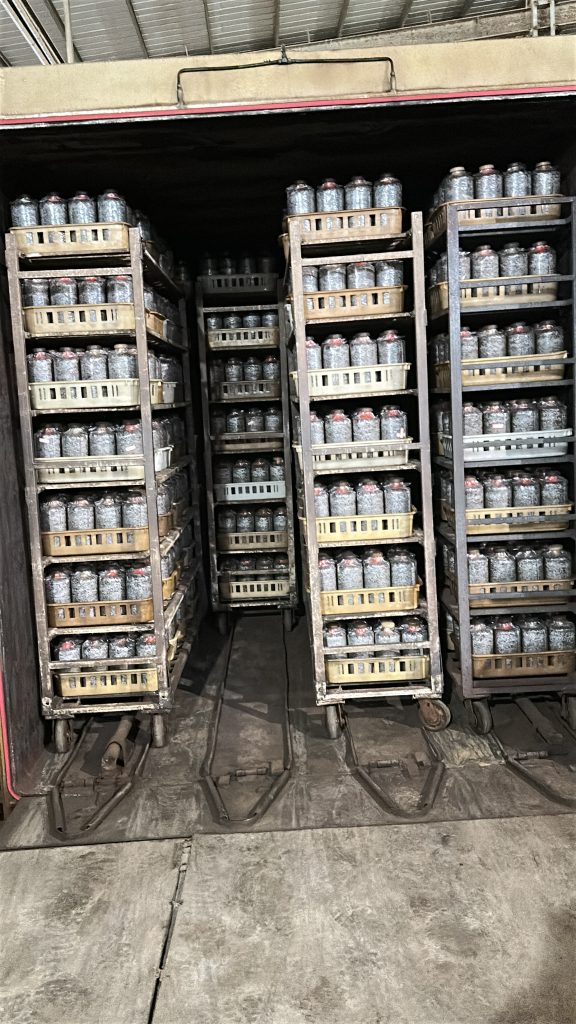
What should be paid attention to in sterilizing and cooling the oyster mushroom bags?
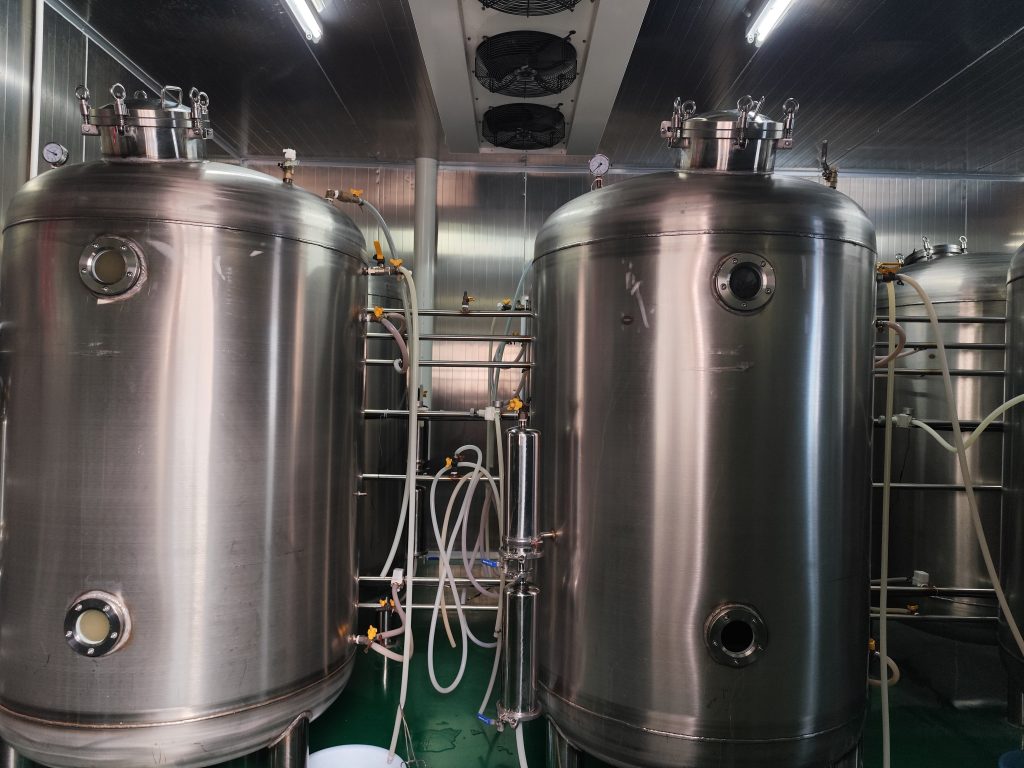
What should be paid attention to when inoculating solid and liquid spawn of king oyster / Pleurotus eryngii?
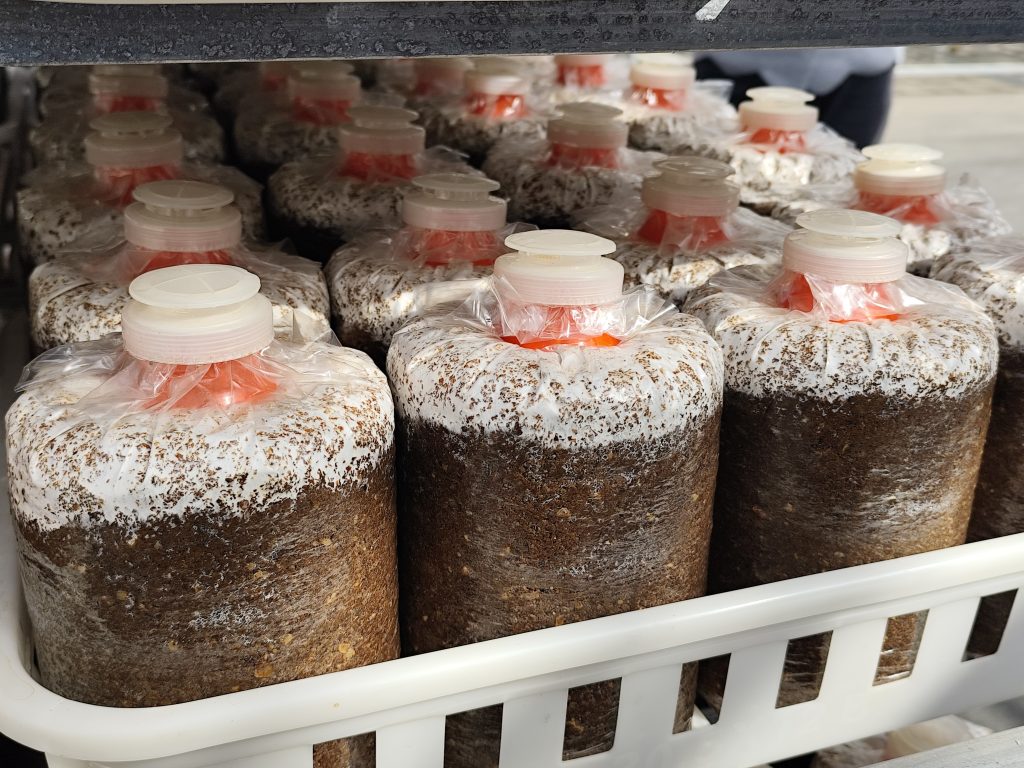
What should be paid attention to during the cultivation of Pleurotus eryngii mycelium?
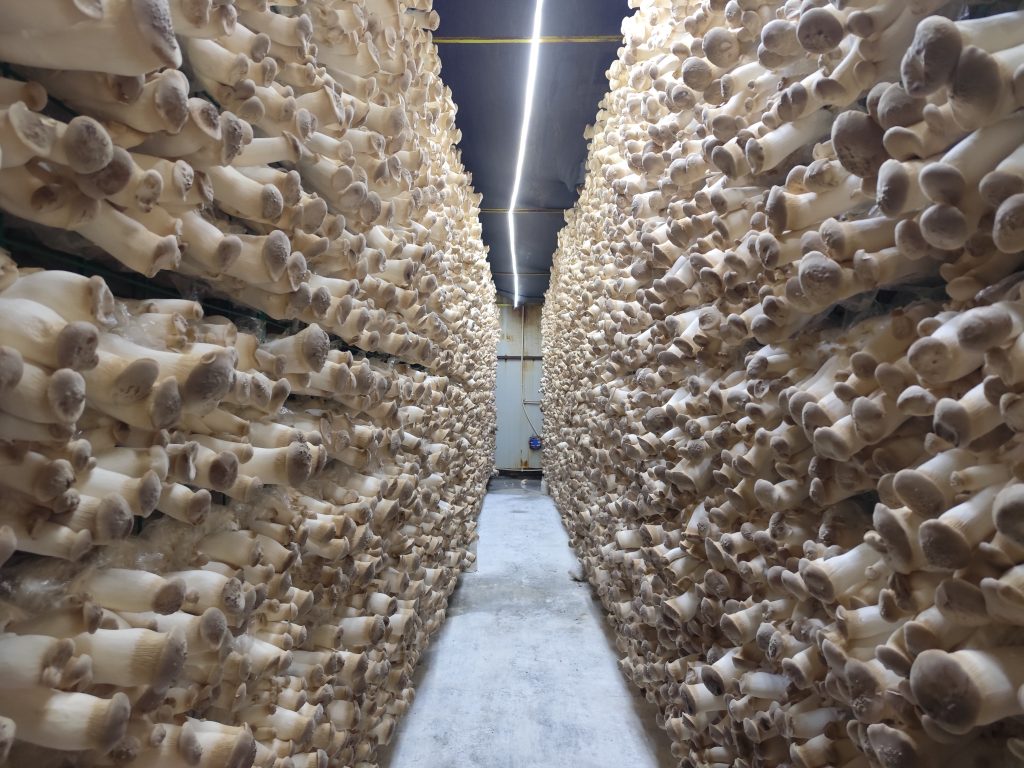
What should be paid attention to during the mycelium recovery period of King Oyster Mushroom Factory Bag Cultivation?
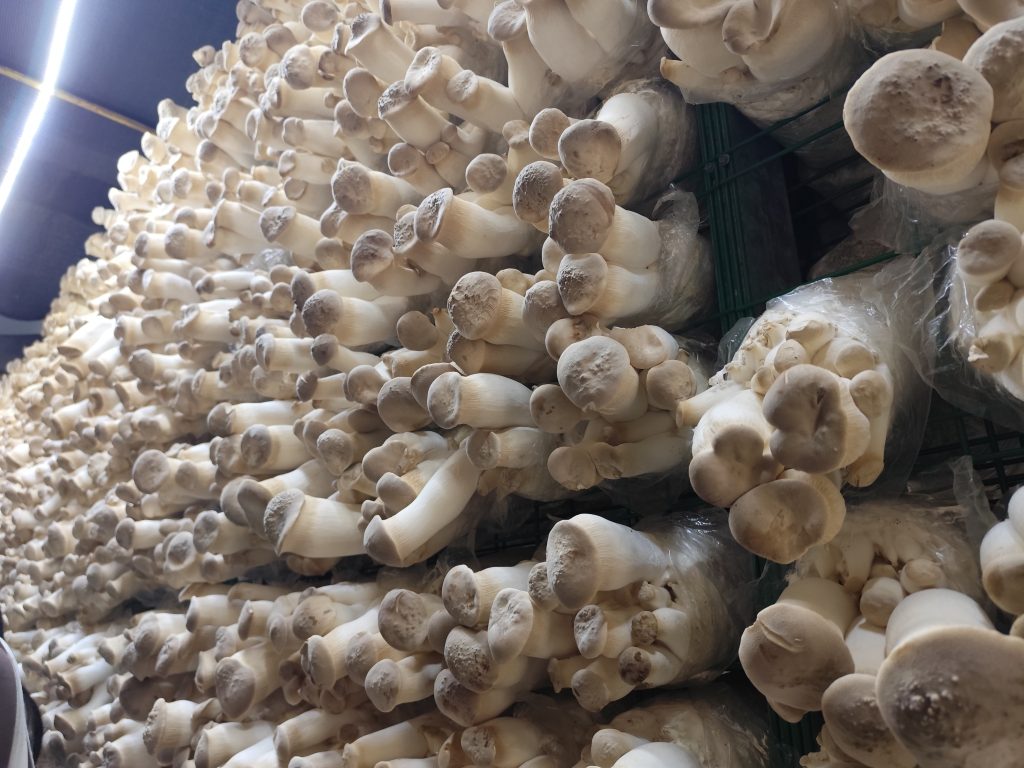
What should be paid attention to during the mushroom bud period of factory-based bag cultivation of Pleurotus eryngii?