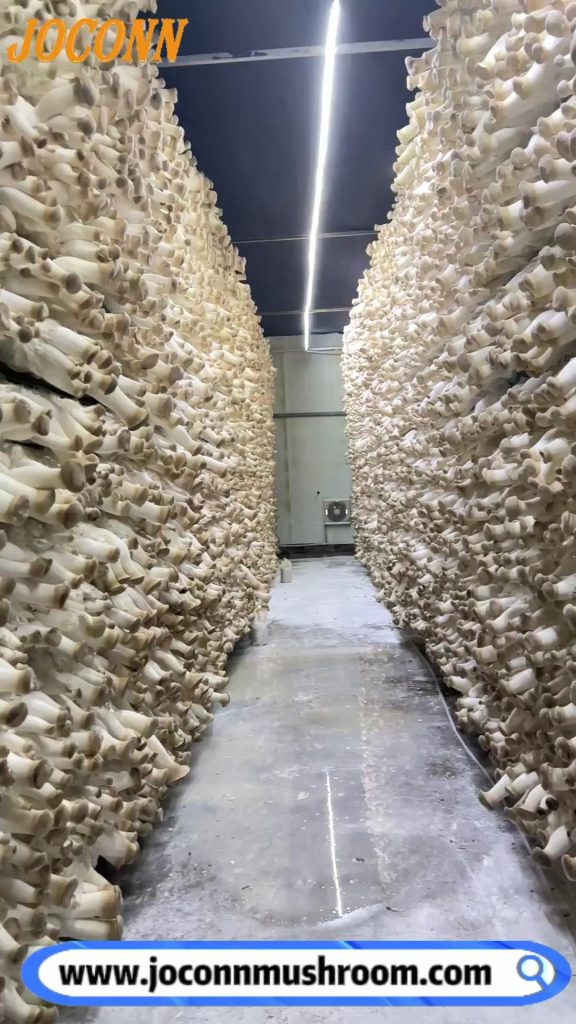
What are the cultivation formulas and raw materials for white shimeji mushroom?
What are the cultivation formulas and raw materials for white shimeji mushroom?
(1) Cottonseed husks: Cottonseed husks are the main raw material for bag cultivation of white shimeji mushrooms, and their characteristics vary depending on the source. For bag cultivation, cottonseed husks with medium shell fibers and cotton kernels are often chosen, as the protein in cotton kernels provides nitrogen for mycelium growth. To increase the yield of white jade mushrooms, some edible mushroom companies request cottonseed husk processing plants to add cottonseed powder to the husks. The price of cottonseed husks varies with the amount of cottonseed powder added.
(2) Sawdust selection and treatment: Sawdust is commonly used as a cultivation material for white shimeji mushrooms. If the sawdust particles are too fine, it affects air permeability and mycelium growth speed; if too coarse, it affects water retention and the rate at which mycelium utilizes the material. Companies need to determine the size of the sawdust particles based on the material composition and remove impurities, wood chunks, and bark before soaking and fermenting the sawdust. With increasing environmental protection requirements, companies have started to recycle sawdust, spraying water for reuse, with normal feedback.
(3) Corn cobs come in red and white colors; the white ones are more absorbent, while the red ones are harder and less absorbent. Both can be used for white shimeji mushrooms cultivation, but red cobs require longer mixing time to ensure moisture penetration and prevent contamination. Some companies soak corn cobs in lime water for pre-wetting and sterilization. The corn flour used for production should be fresh, free from mold, and impurities. It is recommended to purchase fresh corn kernels and grind them to avoid low-quality or adulterated products.
(4) white shimeji mushrooms are generally cultivated using calcium hydroxide (quicklime) to adjust the pH of the substrate. The amount added should vary slightly according to the season, with a slightly higher ratio used in summer to prevent acid formation due to high temperatures.
If you have more questions, write to us
Recommended
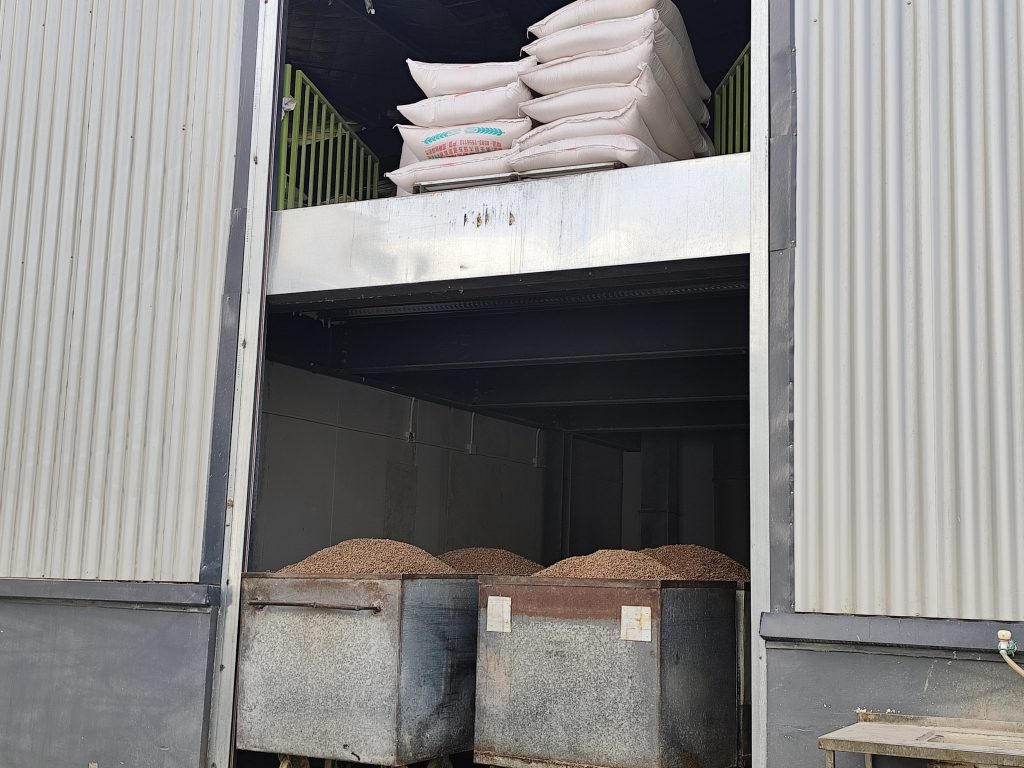
What are the raw materials and formulas for the production of King Oyster Mushroom?
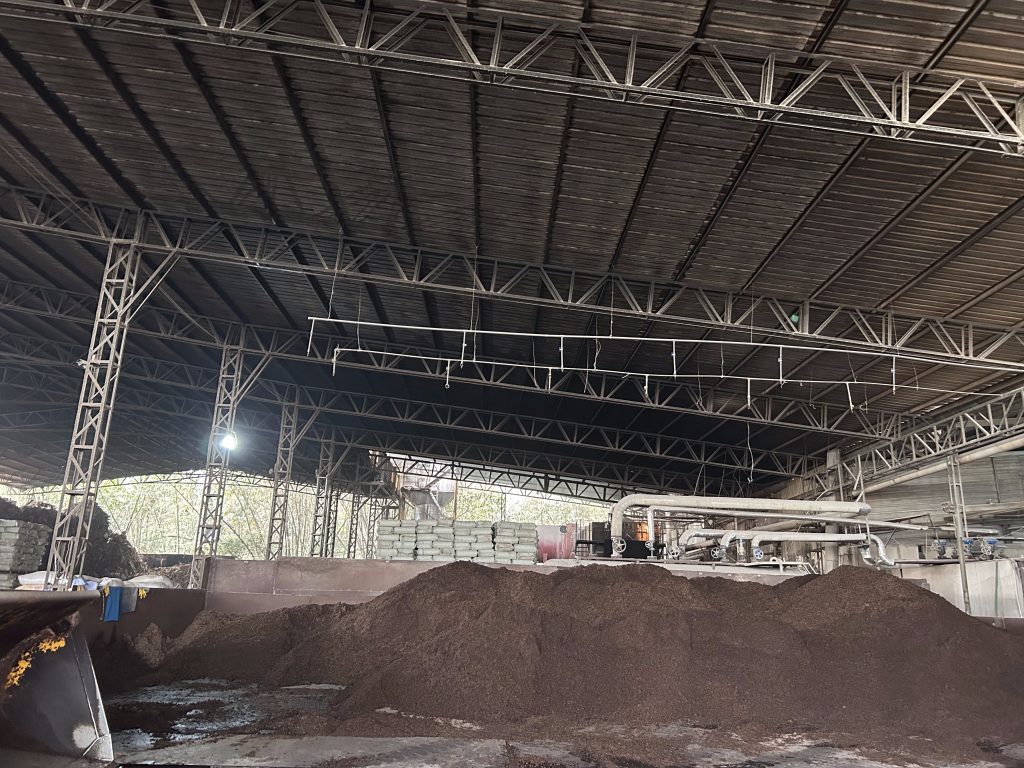
Key points for pretreatment and mixing of raw materials for the production of Pleurotus eryngii
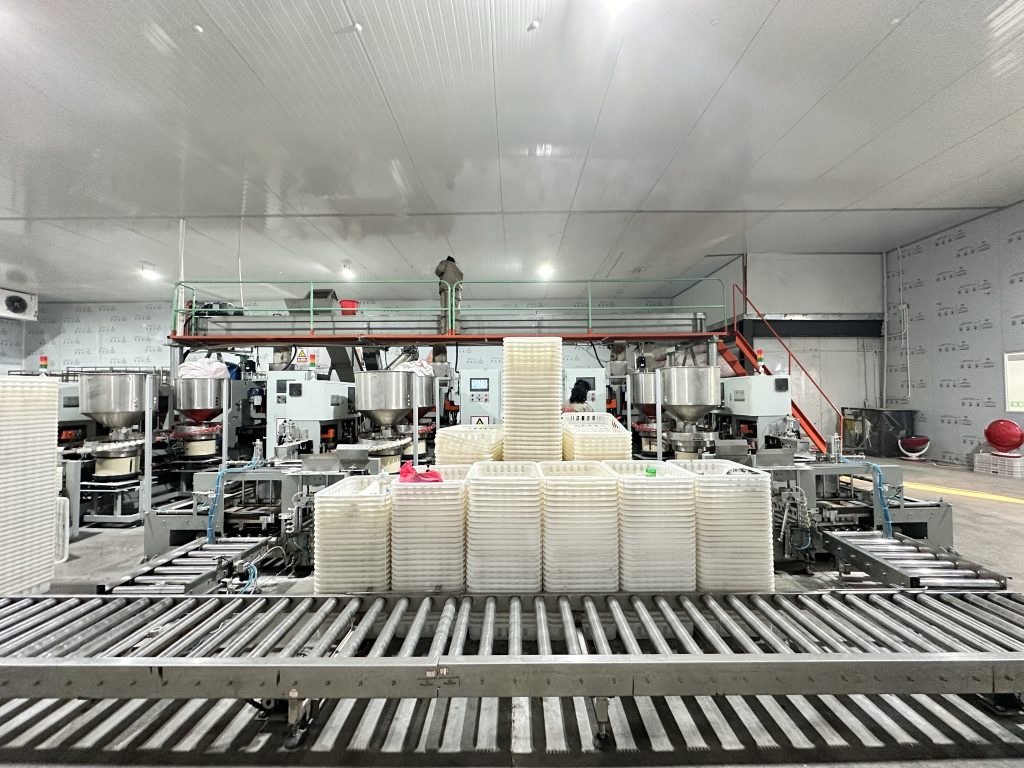
Reference for Bagging of substrate for Pleurotus eryngii Fruiting
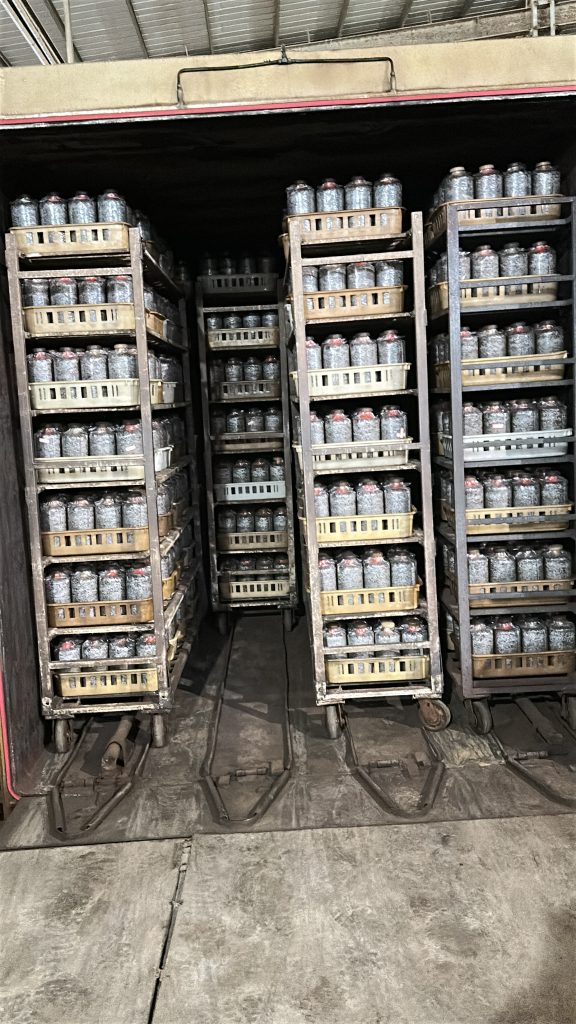
What should be paid attention to in sterilizing and cooling the oyster mushroom bags?
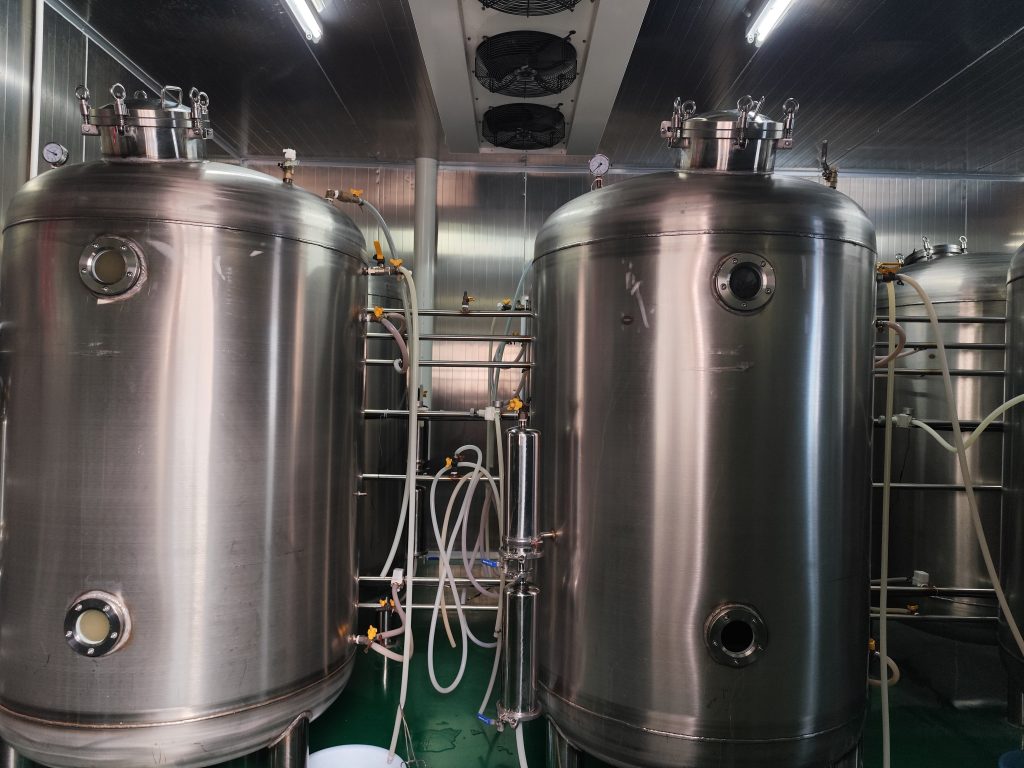
What should be paid attention to when inoculating solid and liquid spawn of king oyster / Pleurotus eryngii?
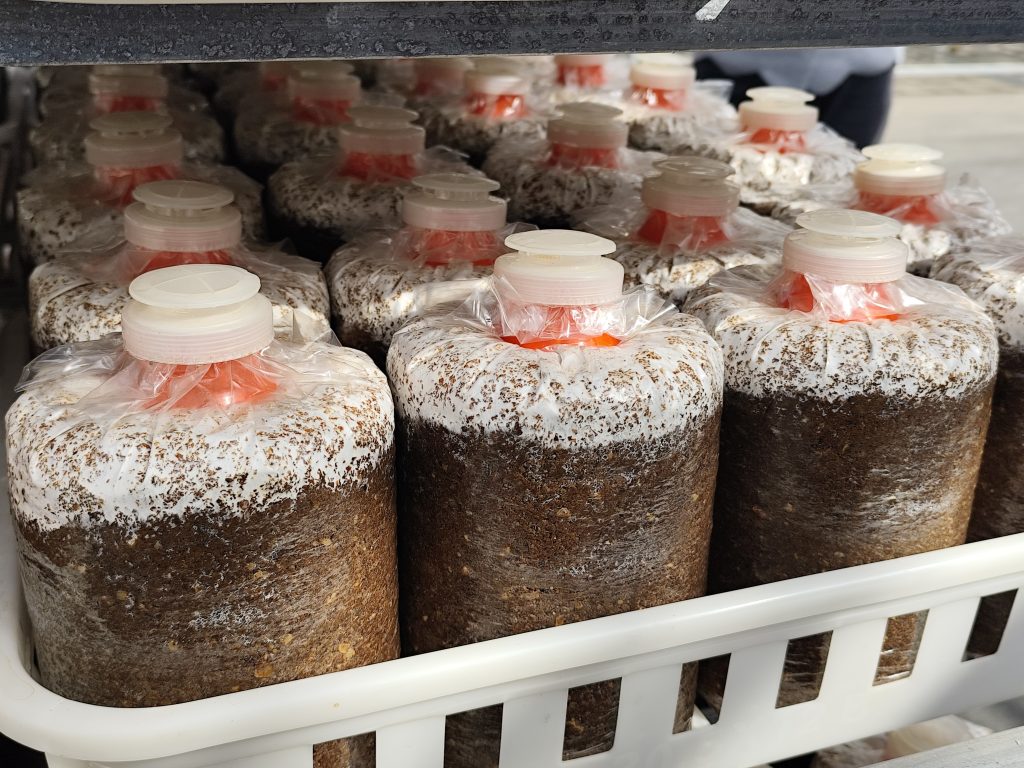
What should be paid attention to during the cultivation of Pleurotus eryngii mycelium?
What should be paid attention to during the mycelium recovery period of King Oyster Mushroom Factory Bag Cultivation?
What should be paid attention to during the mushroom bud period of factory-based bag cultivation of Pleurotus eryngii?