waterlogged shiitake logs happened during sterilization
Waterlogged shiitake logs happened during sterilization?
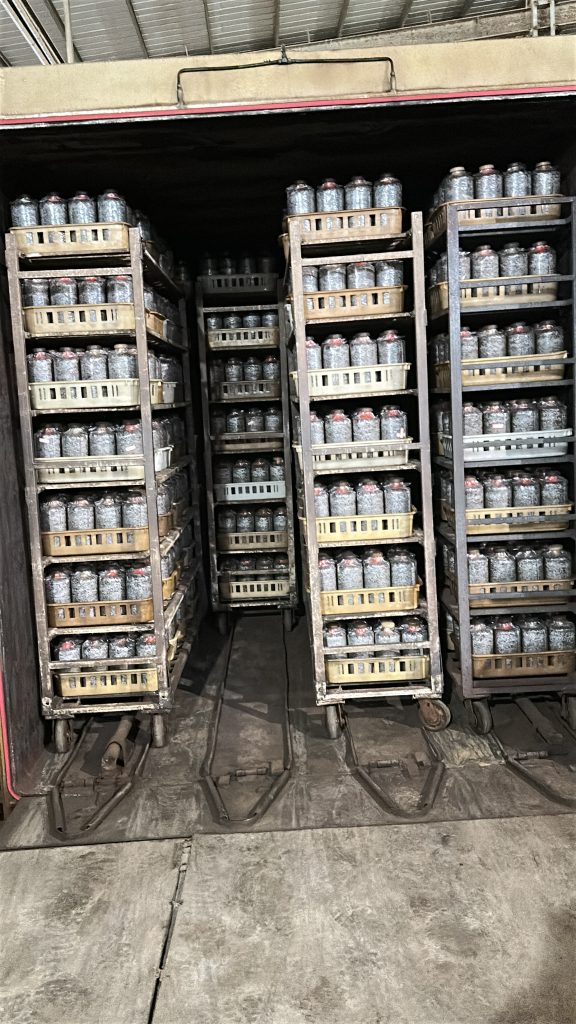
In autoclave, during the heating stage, cold air meets hot steam and condenses into water, resulting in a large number of water droplets on the surface of the shiitake logs. A circulation is formed between air intake and exhaust. Therefore, a large amount of water is discharged from the exhaust pipe in the early stage of sterilization, and gradually, the water becomes less and less while the steam becomes more and more. This is the process of exhausting cold air, and the water here is actually cold air.
In this process, if more air is intake and less is exhausted, more water will condense on the surface of the shiitake logs. At this time, if there is a hole in the shiitake logs or the clip tying is too loose, water will easily enter the interior of the bag. In areas where steam circulates well, the water that gets in will be quickly circulated out. However, in dead corners with poor steam circulation, or when water enters the interior of the shiitake log through a hole, the shiitake log will be softened by pressure, the outlet will be blocked, and the water cannot circulate out, thus forming a waterlogged shiitake log.
If you have more questions, write to us
Recommended
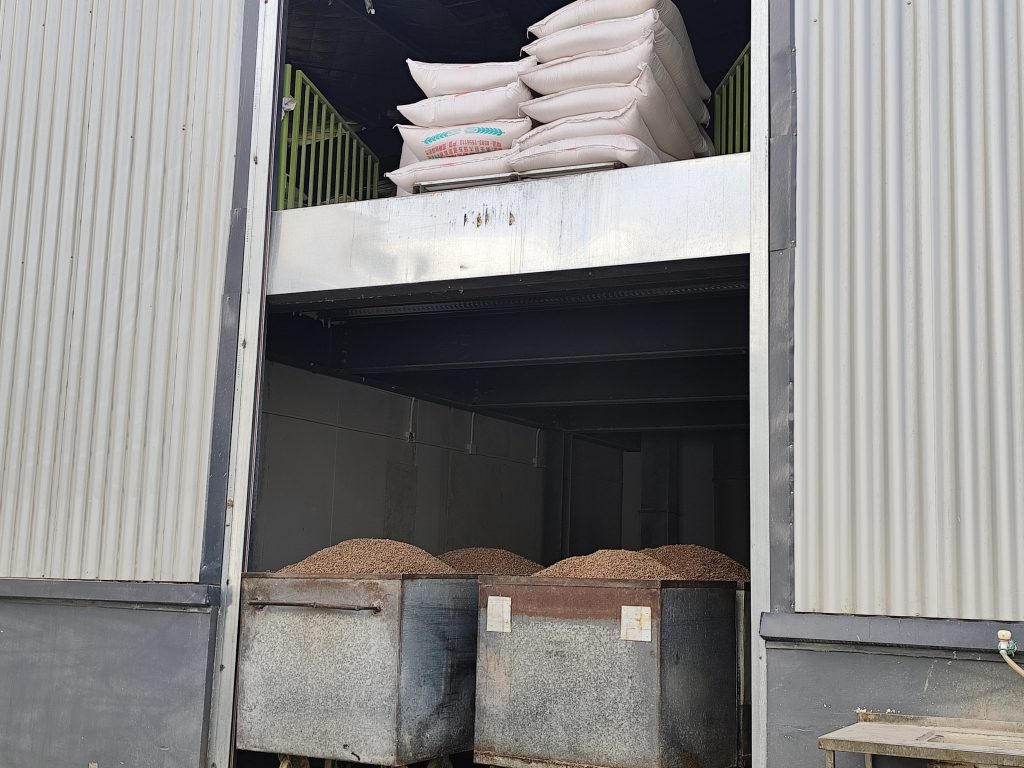
What are the raw materials and formulas for the production of King Oyster Mushroom?
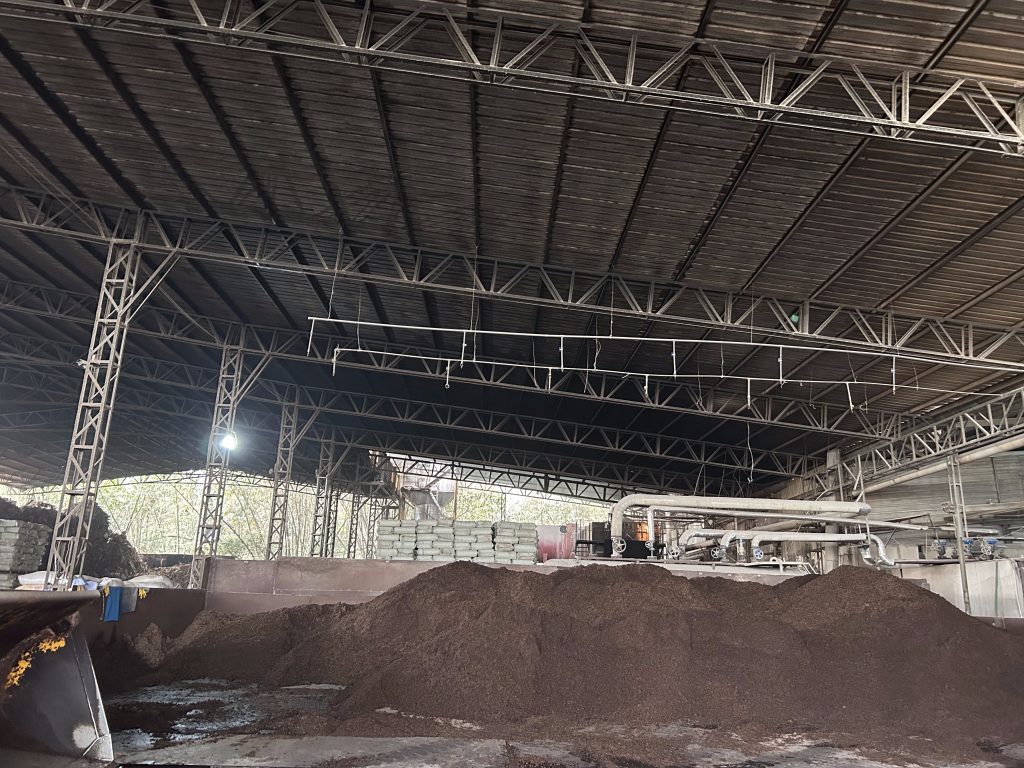
Key points for pretreatment and mixing of raw materials for the production of Pleurotus eryngii
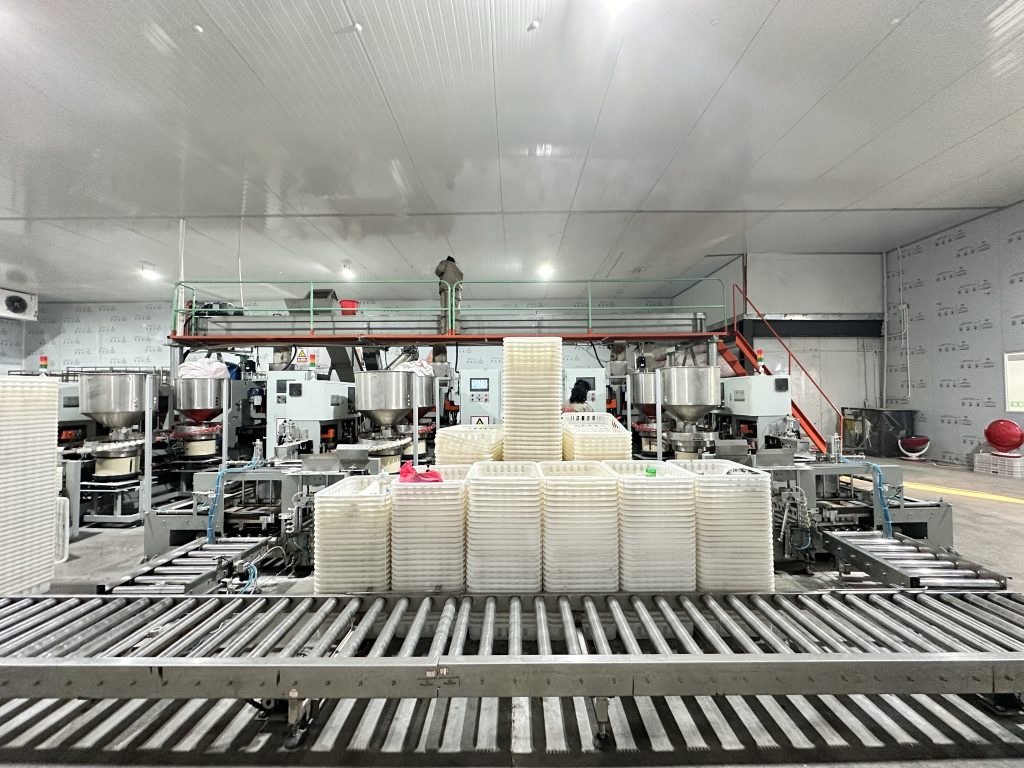
Reference for Bagging of substrate for Pleurotus eryngii Fruiting
What should be paid attention to in sterilizing and cooling the oyster mushroom bags?
What should be paid attention to when inoculating solid and liquid spawn of king oyster / Pleurotus eryngii?
What should be paid attention to during the cultivation of Pleurotus eryngii mycelium?
What should be paid attention to during the mycelium recovery period of King Oyster Mushroom Factory Bag Cultivation?
What should be paid attention to during the mushroom bud period of factory-based bag cultivation of Pleurotus eryngii?