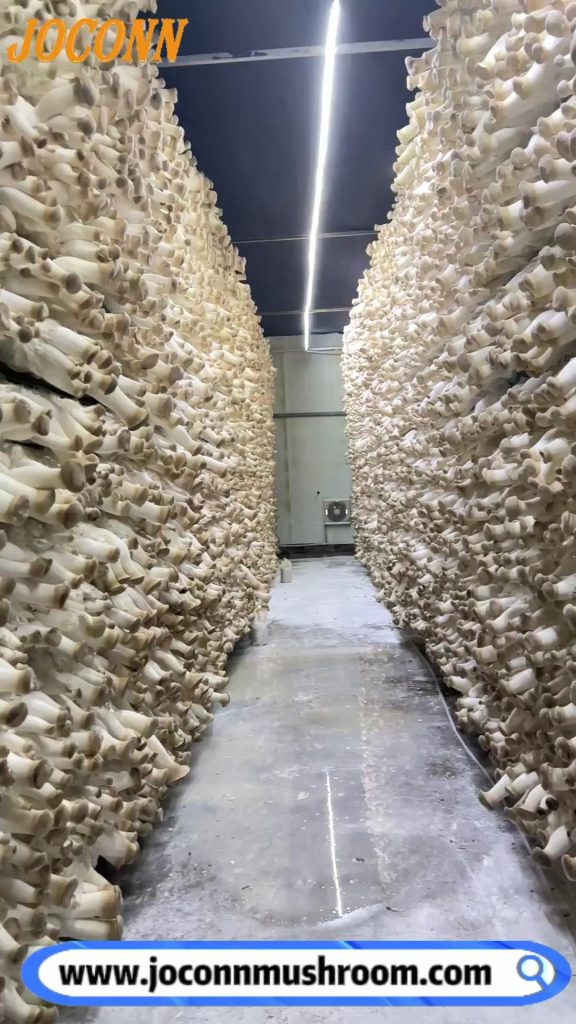
Oyster mushroom fermented substrate bags making
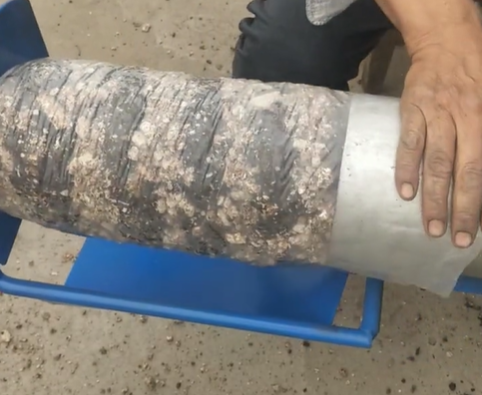
Fermented substrate for oyster mushrooms is suitable for cooler regions or seasons. To reduce production costs and labor intensity, most cultivators skip atmospheric or high-pressure sterilization. Instead, they increase the inoculation amount to shorten the mycelium germination time and control bacterial outbreaks. Layer sowing or mixed sowing is generally used.
In fermented substrate cultivation, open inoculation is used. Inoculation is done while bagging, mostly using layer sowing with three layers of substrate and four layers of spawn or two layers of substrate and three layers of spawn. The spawn amount should be 10%–20% of the dry weight of the substrate. Use 20% in hot seasons to speed up mycelium growth and cover formation.After inoculation, make sure to create air holes, or contamination may occur. Use a 1.2–1.4 cm wooden or metal stick to puncture the bag from one end to the other, creating ventilation holes to increase oxygen inside the bag.In some places ,farms leave 3–5 fruiting holes at both ends of the bag. This helps with ventilation, improves mycelium growth speed, and allows for targeted fruiting. The downside is that the mushrooms tend to be smaller.
If you have more questions, write to us
Recommended
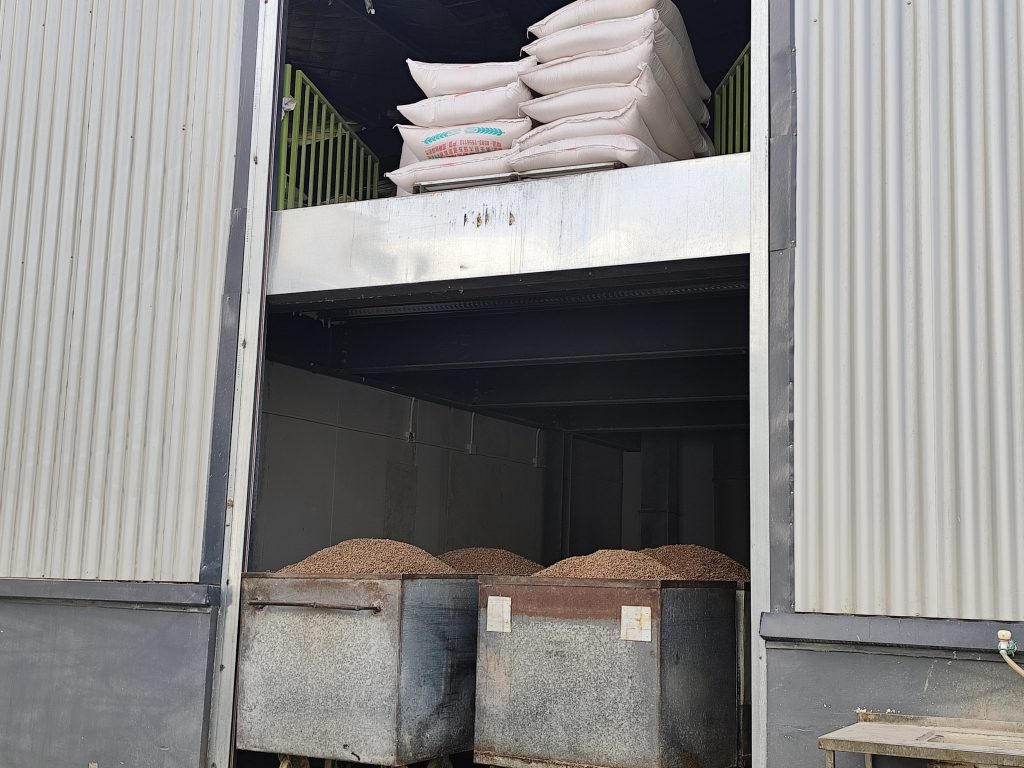
What are the raw materials and formulas for the production of King Oyster Mushroom?
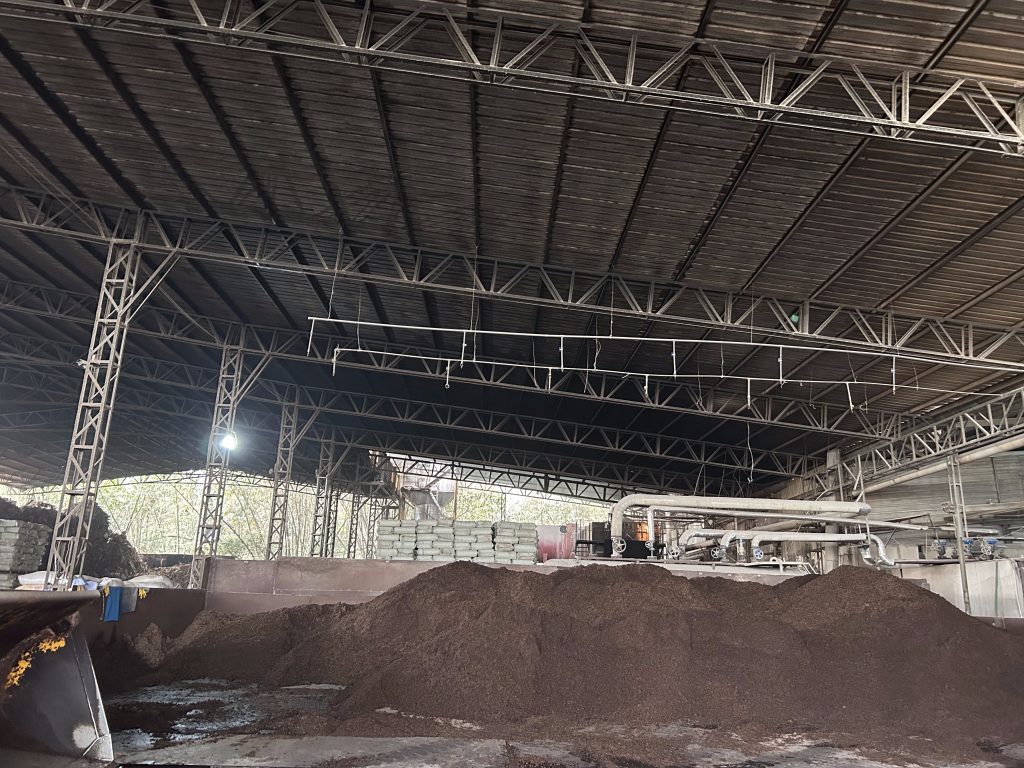
Key points for pretreatment and mixing of raw materials for the production of Pleurotus eryngii
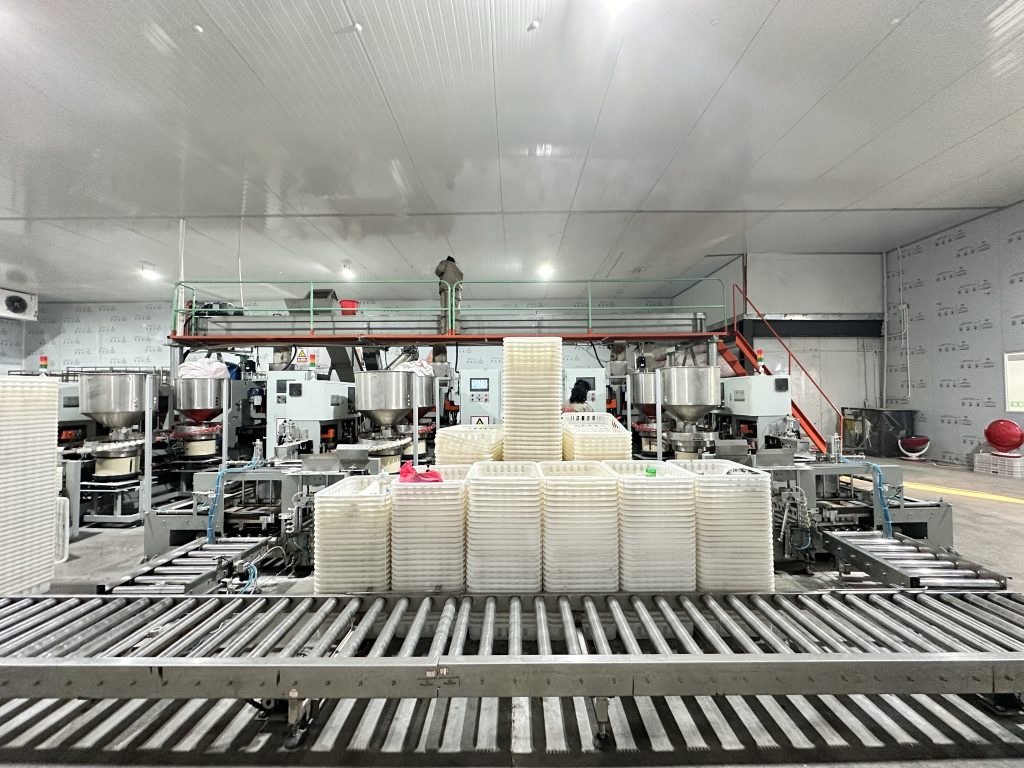
Reference for Bagging of substrate for Pleurotus eryngii Fruiting
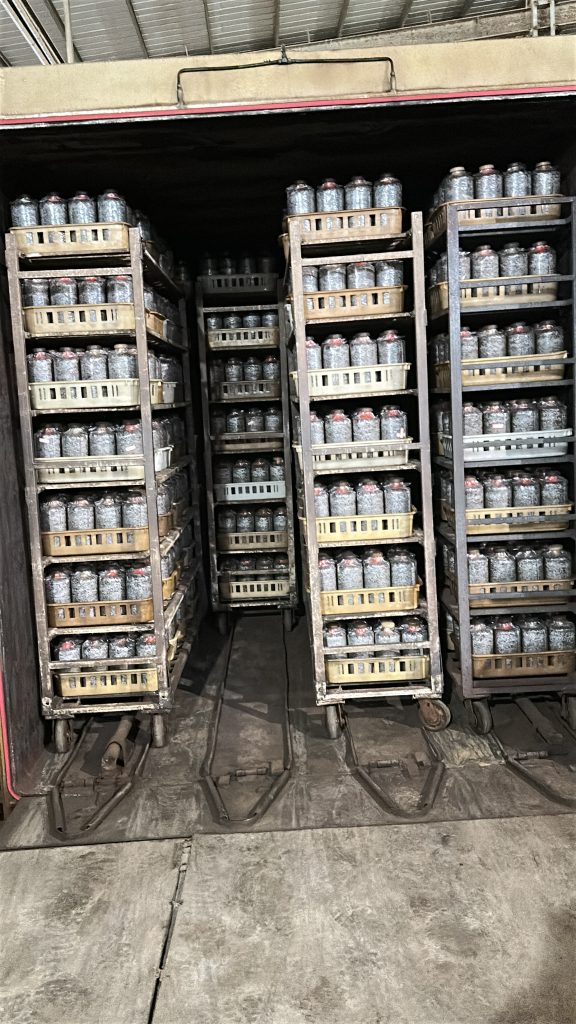
What should be paid attention to in sterilizing and cooling the oyster mushroom bags?
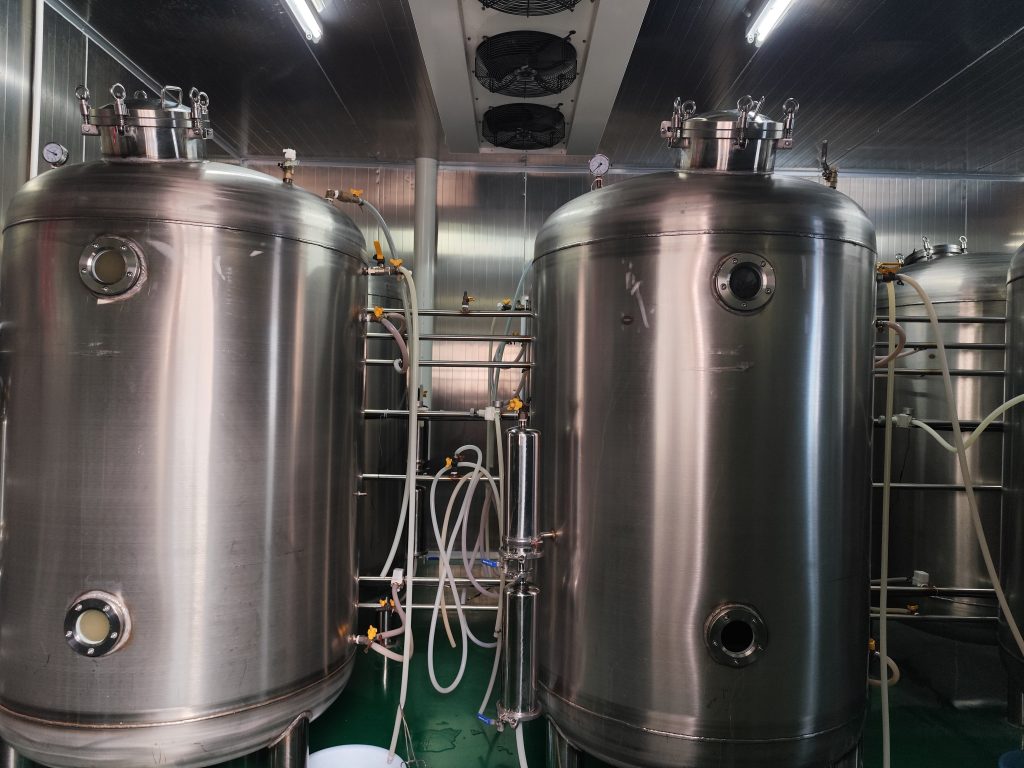
What should be paid attention to when inoculating solid and liquid spawn of king oyster / Pleurotus eryngii?
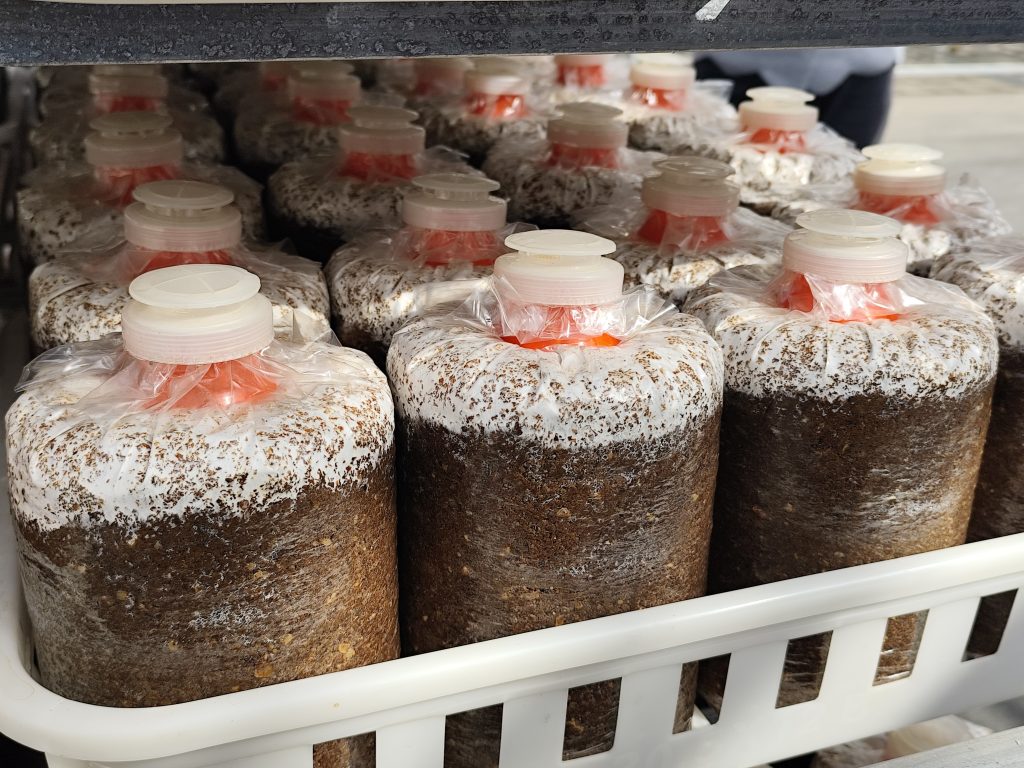
What should be paid attention to during the cultivation of Pleurotus eryngii mycelium?
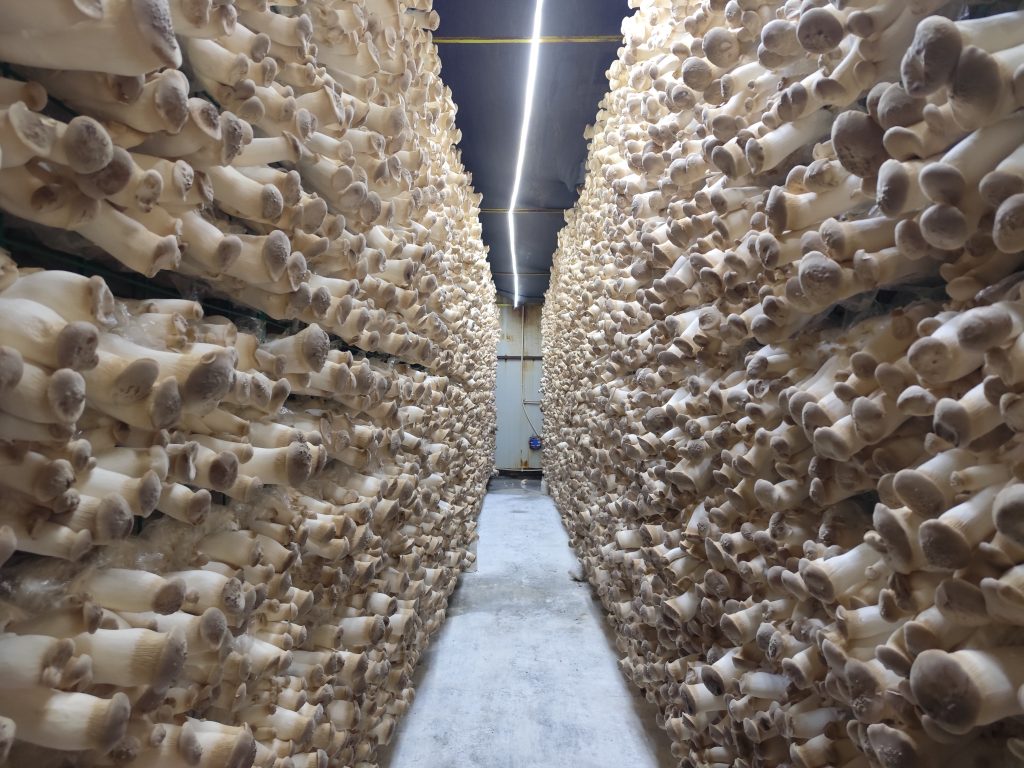
What should be paid attention to during the mycelium recovery period of King Oyster Mushroom Factory Bag Cultivation?
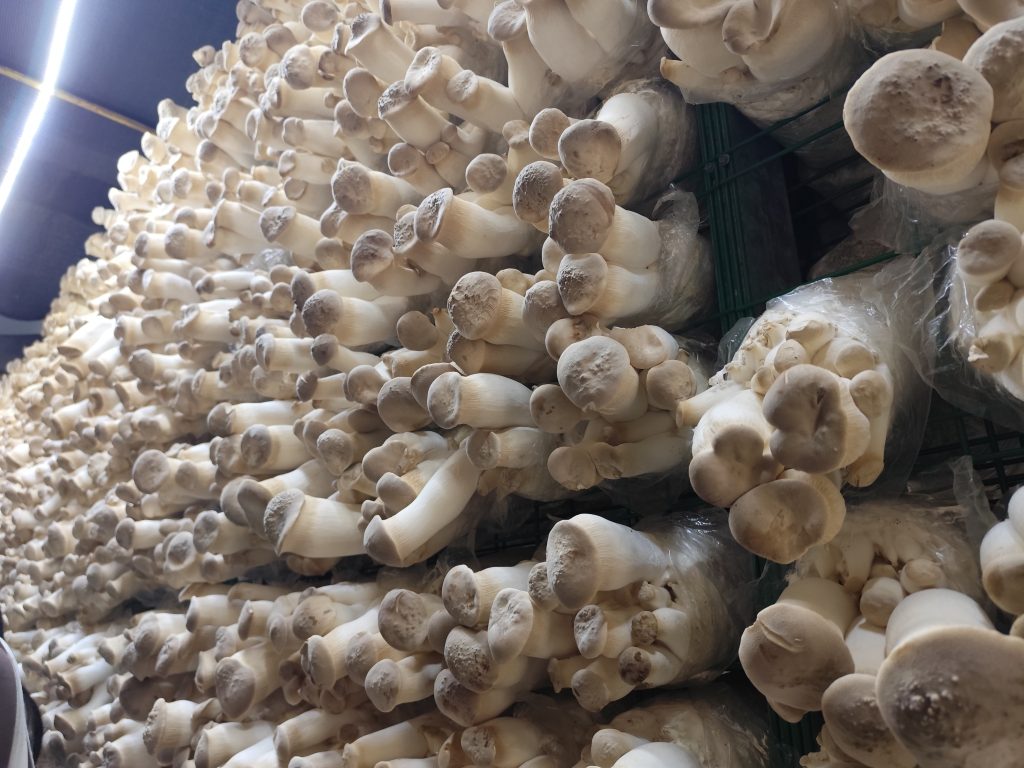
What should be paid attention to during the mushroom bud period of factory-based bag cultivation of Pleurotus eryngii?