Standards for Physiological Maturation of Shiitake Mushroom Bags
2026年5月22日
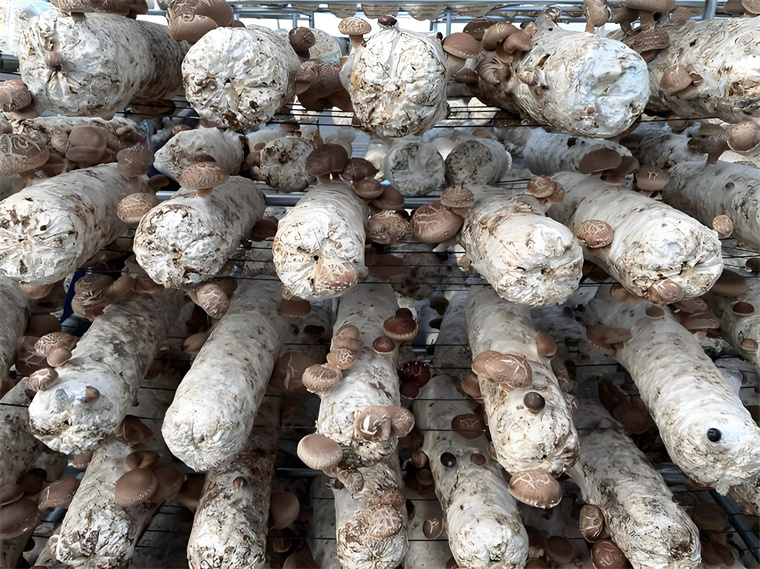
Based on practical cultivation experience, the physiological maturity of mycelium is determined by comprehensive inspection covering five indicators: mycelial age, accumulated temperature, morphological state, color and substrate texture. These five criteria serve as the core reference for bag removal operation.
Among the five standards, mycelial age acts as a reference parameter, while the other four indicators must all reach qualified standards with no omission. Taking strain L808 as an example, this article elaborates on the judgment criteria for bag removal.
1.Mycelial Age
Mycelial age refers to the period from inoculation to the formation of fruiting bodies. The conventional growth cycle of strain L808 lasts about 150 days. Different mushroom strains have relatively fixed growth cycles, which can be taken as a preliminary reference for bag removal timing.
Growth duration is affected by ambient temperature, oxygen supply and substrate formula. Altitude also brings obvious impact: the temperature drops by 0.6℃ per 100 meters rise in altitude. Lower temperature at high altitudes will prolong the mycelial growth period. This indicator is only for auxiliary reference.
2. Effective Accumulated Temperature
A certain total accumulated temperature is required to complete the whole growth cycle of shiitake mushrooms. It is jointly decided by growth duration and ambient temperature.
5℃ is the minimum temperature for normal mycelial growth. Effective accumulated temperature is calculated with the formula below:
Effective accumulated temperature = ∑ (Daily average temperature – 5℃)
Only daily average temperature above 5℃ counts into the calculation.
Effective accumulated temperature = ∑ (Daily average temperature – 5℃)
Only daily average temperature above 5℃ counts into the calculation.
Strain L808 needs about 2200℃ effective accumulated temperature, which generally takes 4 to 5 months to reach in off-season greenhouse cultivation.
Accumulated temperature offers higher accuracy than mycelial age, yet it cannot single out the optimal bag removal time. It only reflects temperature and time changes, ignoring the effects of ventilation condition and substrate composition on mycelium growth and maturation. Hence physical substrate inspection is indispensable.
3. Morphological Observation
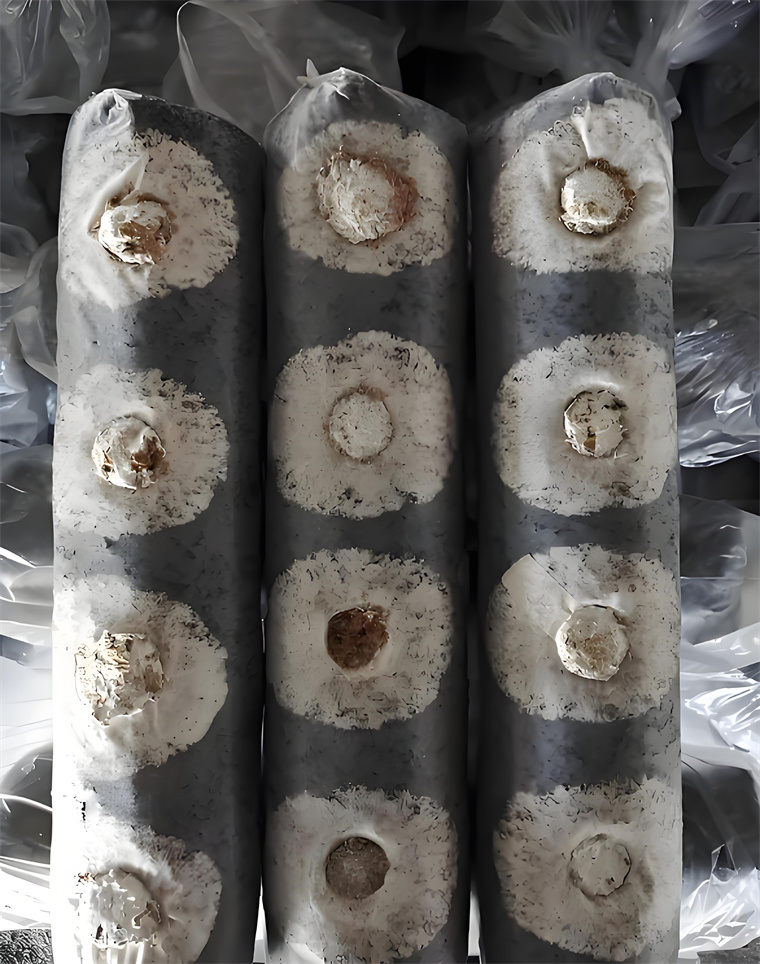
Nodular protuberances appearing on two-thirds of the bag surface means mycelium has fully decomposed and absorbed nutrients, marking the transition from vegetative growth to reproductive growth.
4.Color Observation
Dense, uniform and vigorous white mycelium fills the whole bag with fluffy aerial hyphae. Surface discoloration and yellow exudate on the bag are typical signs of reproductive growth initiation.
Dense, uniform and vigorous white mycelium fills the whole bag with fluffy aerial hyphae. Surface discoloration and yellow exudate on the bag are typical signs of reproductive growth initiation.
5.Substrate Texture Observation
Elastic touch of the culture bag proves full physiological maturity. Hard texture indicates the mycelium is still in vegetative growth stage.
Elastic touch of the culture bag proves full physiological maturity. Hard texture indicates the mycelium is still in vegetative growth stage.
Bag removal shall be carried out right before mushroom buds sprout. Once massive primordia and buds emerge due to cold, heat or mechanical stimulation, perform bag removal immediately and strengthen daily management to lower the rate of malformed mushrooms and cut losses.
If you have more questions, write to us
Just leave your email or phone number in the contact form so we can send you a free quote for our wide range of designs!
Recommended
Shiitake Mushroom Spawn Run: 6 Common Problems, Causes and Treatment Measures
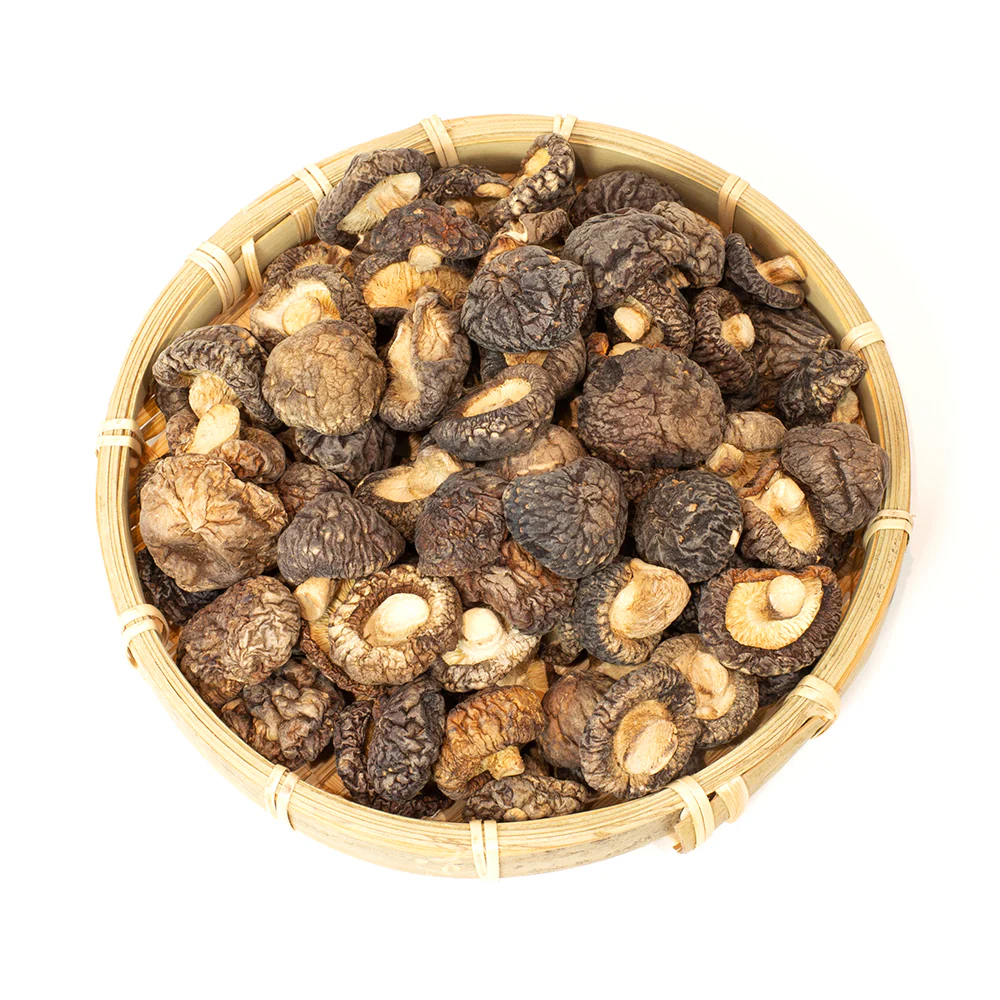
Shiitake Mushroom Preservation and Processing — Practical Technical Guide
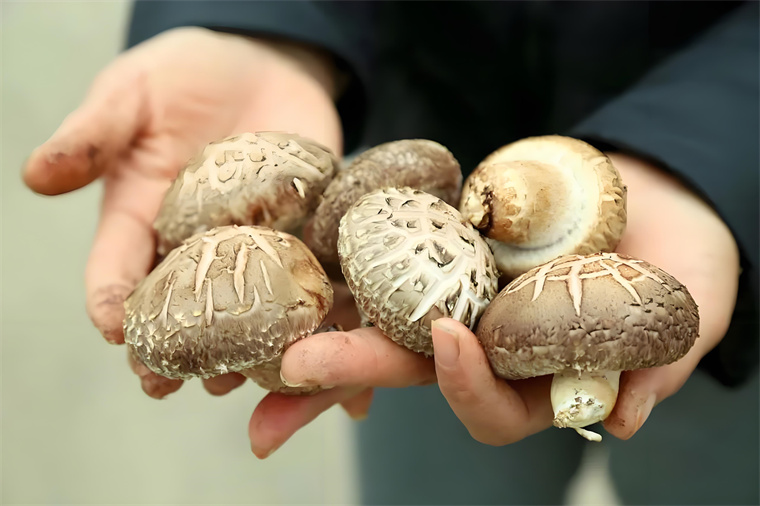
Harvesting Shiitake Mushrooms
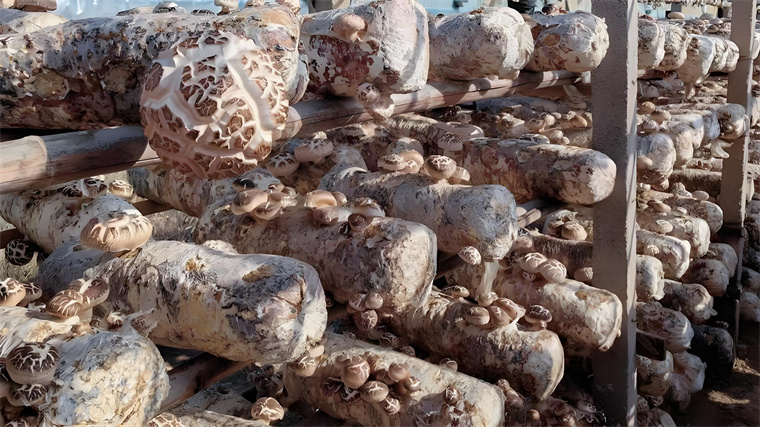
High‑Rack Flower Shiitake Cultivation: Flower Induction, Harvesting and Intermittent‑Period Management
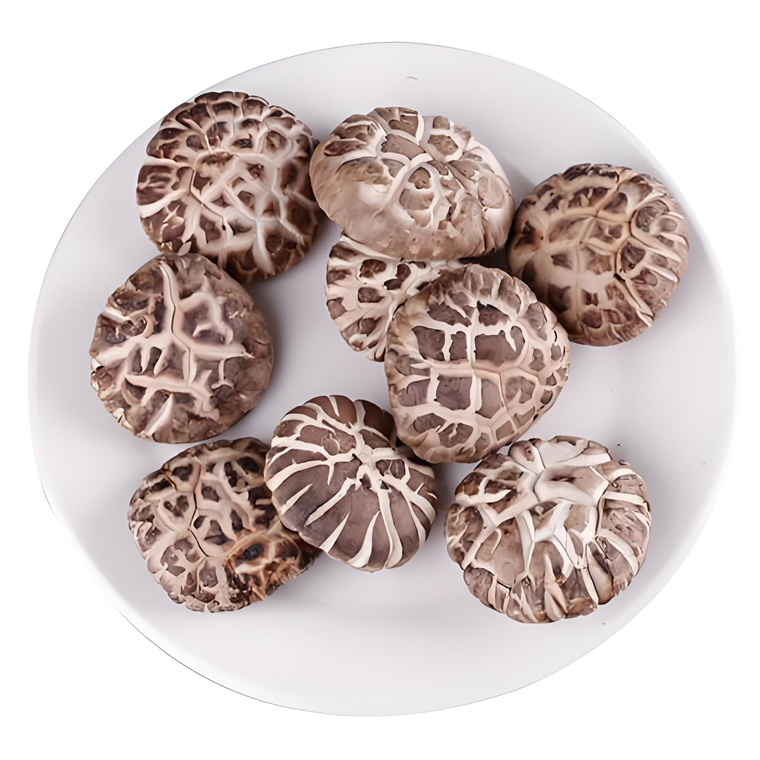
Off-Season High-Shed Flower Mushroom Cultivation (Part 1): Setup & Budding
Summer Management of Shiitake Fruiting in Cool Greenhouses with Ground Cultivation
Summer Ground-Based Cultivation of Shiitake Mushrooms in Cold Sheds
Shiitake Mushroom Cultivation: Substrate Logs Rehydration Guide